
Navigation
Install the app
How to install the app on iOS
Follow along with the video below to see how to install our site as a web app on your home screen.
Note: This feature may not be available in some browsers.
More options
You are using an out of date browser. It may not display this or other websites correctly.
You should upgrade or use an alternative browser.
You should upgrade or use an alternative browser.
Keto diet
- Thread starter Eric Coughlin
- Start date
Nutrition science has been moving slowly toward personalized interventions (as has been all of medicine). One of the many reasons nutrition science has been such a mess with contradictory studies and recommendations all over the place, because only now do we finally appreciate that what might be optimal for Bob might be suboptimal for Richard and disastrous for Mary.
Trooth.
Anecdotally, my wife dropped about 50lbs once she learned that dairy and carbs weren't her personal friend and essentially cut them from her diet. She went from pre-diabetic with a heart condition after child #2 to picture-perfect health on her last checkup. Plus she's unbelievably hot, so....
Conversely, I'm a total creamaholic. I'd mainline half-and-half while blasting the Dead Milkmen. Never adversely affects me. But, feed me a soda with HFC, and it obliterates me. Same with canned tomato products.
Don't ignore the inner caveman... if you try it and it makes you feel bad, don't eat it again.

Liam Hall
Veteran
I dont think body craves volume, I think body craves calories (especially protein) and micronutrients
When you're on a Keto or low carb diet you are much more in tune with what your body craves; feel hungry - you need more fat, have a headache - you need more salt etc.
At first the guidance can seem counterintuitive, especially as we, in West, have been sold a pack of lies about food for decades and nutrition has only recently started to be taken seriously by our healthcare providers. You really have to trust the advice and be honest with yourself.
For anyone interested I'd suggest reading up on the basics here:
https://www.dietdoctor.com/low-carb/keto#avoid
And watching a few of this guy's videos:
https://www.youtube.com/channel/UCIma2WOQs1Mz2AuOt6wRSUw

ahalpert
Major Contributor
Conversely, I'm a total creamaholic. I'd mainline half-and-half while blasting the Dead Milkmen. Never adversely affects me. But, feed me a soda with HFC, and it obliterates me. Same with canned tomato products.
Don't ignore the inner caveman... if you try it and it makes you feel bad, don't eat it again.
Canned tomato products sounds like a histamine reaction? Tomatoes are high in histamines and so are canned foods.
I used to like cream but tried some lactose free half and half in my coffee today and man did it feel heavy in the tummy in comparison to whole milk. And I think dairy generally makes me bloated, but the resultant water weight is quickly shed if I cut out dairy.
I don't think soda is good for anyone
ahalpert
Major Contributor
At first the guidance can seem counterintuitive, especially as we, in West, have been sold a pack of lies about food for decades and nutrition has only recently started to be taken seriously by our healthcare providers. You really have to trust the advice and be honest with yourself.
This is true. I read a book about how the fat-is-bad hypothesis become gospel truth among American policy makers around 1960 without ever having been proven.
I used to be low carb but now I eat lots of fruit, a decent amount of veggies, and a fair bit of white rice. My white rice intake could probably be reduced but it's a clean fuel source.
The only thing about going strict low-carb (and I think this is true for other people as well as me) is that you might burn through the nutrient reserves you've built up from plant food in the first few months, so you do great until those are gone.
I feel like I'm pretty in tune with my cravings now

Batutta
Major Contributor
I used to like cream but tried some lactose free half and half in my coffee today and man did it feel heavy in the tummy in comparison to whole milk. And I think dairy generally makes me bloated, but the resultant water weight is quickly shed if I cut out dairy.
I was having GERD on the regular. I would wake up in the night with my chest burning and have to chug Gaviscon to get back to sleep. I quit putting the 33 percent cream in my coffee and it went away, so I cut most dairy out of my diet. I can still do cheese in moderation, but any milk or cream and I'm guaranteed to get heartburn. I really like Cashew milk. Been using that in my coffee instead, although I've switched to to decaf since my transient ocular stroke.
ahalpert
Major Contributor
. Been using that in my coffee instead, although I've switched to to decaf since my transient ocular stroke.
I got my coffee down to 1 weak cup a day recently and was sleeping so well and feeling good, but then we moved this month....just when I thought I was out, coffee pulled me back in....
There are some good nutrients in cheese...vitamin k maybe? I can't remember... and as long as I go lactose free, I digest milk pretty well
filmguy123
Veteran
100% fruit diet + calorie deficit will definitely result in weight loss, as will 100% carb diet, I think we intuitively know this by looking at impoverished nations across the world. The question is HOW MUCH of a deficit. Even that study I quoted is based on an average which means its possible one person gained weight from a fat and another LOST from calories (and probably has a number of other control errors in it). It is definitely a person to person thing and YMMV. Most of this stuff can only map rough trends... I think it's more than mystical voodoo and less than absolutism.
In any case, for that very same reason I personally would start moderate (if you blindly mapped your macronutrients, a lot of people would fall somewhere around 50/25/25). From there, a moderate shift to 40/40/20 + cutting sugar/cheap carbs, processed foods, and looking for lean protein + healthy fats + exercise including resistance training is the closest alignment to the basics of "eat well round diet, exercise more". And if that wasn't working for my genetically or lifestyle wise, look at moving from there to another technique such as keto. Or something which supports other dietary needs and health issues. I've also heard good things about trying Whole30! I think many people select a diet before understanding macronutrients and/or before understanding what works for them, more just sort of throwing darts at a board.
The one big thing which I think is closer to an overlooked universal is the idea of focusing on body composition (supported by protein). So many people focus simply on a calorie deficit and losing pounds, but the body is not made up of pounds, it is made of fat + muscle... and muscle weighs more than fat! And depending on the calories you are eating and the workout routine, it's possible to lose fat + gain muscle by eating OVER your burned calories per day (yes, you really can have your cake and eat it too, as long as your cake is something like chicken breast).
Last edited:
filmguy123
Veteran
I love Dave's Bread. It was only a few months ago that I found it. I had tried many other kinds:
- Ezekiel bread is good for you but you have to keep it frozen, which means every time you want it, you have to put it in the toaster. And it doesn't taste as good as Dave's.
- Bakery bread tastes best but doesn't keep more than a few days.
With Dave's, it tastes better than everything but bakery bread and lasts as long other mainstream breads.
Agreed! I tried Ezekial and I just... couldn't... I am weak lol.
My wife can't handle the red powerseed with 1g of sugar. So she gets yellow, which definitely tastes better. The Yellow one is the best "gateway bread" to healthier I've found. Green IIRC has the most whole grains, but it also has 5g of sugar per slice, so I've gone with red to try and keep my total sugar <30g a day. Eating it with something like Nutzo butter with a little pink salt on it is plenty delicious for me personally.
Wife still needs the yellow, ha!
The other thing I love that I forgot to mention in Banza Chickpea Pasta! Made from Garbanzo beans. Try boiling this up for pasta, add salt/pepper/lemon. Or rosemary, bison on a skillet, spinach, squeeze lemon. Or whatever. You can also make a bunch and keep it in fridge for a few days. Also at Costco. (EDIT: Banza Chickpea pasta something like 30% less carbs, 40% more protein, and more fiber than normal pasta. Also, they're complex carbs. Win win win.).
Last edited:
filmguy123
Veteran
Really depends on the fruit and how much...too vague of an example to pinpoint what and if anything else changed in her life (including the benefits of the new 10lb workout which could have been the plateau-breaking variable).
Yes, that's exactly the point
 Protein supports muscle growth, muscle passively burns fat.
And no, you don't need to cut out fruit. Fruit is good for you. If you aren't eating it you should. Point is she wasn't paying an attention to macronutrient breakdown, just pure calories and weight watchers said "fruit is cheap!" (on the point chart) and she loves fruit so fruit it was. She lost a ton of weight at first but couldn't hit her goal until bringing ratios into something that helped support weight loss (that is, having more muscle ratio in the body).
Put another way: Build muscle (lift + protein), let muscle help do work for you. (work smarter, not harder?)
I tried that ... went from 190 to 245'ish in three years ... went from nothing for being able to bench press 220 lbs 12 times (could have eked out another rep or two but I was already ecstatic about 12), albeit on a machine ... then I quit lifting and those 245 lbs proved to be horribly excessive ... I am back to about 200 now and - knock on wood - feel a lot better, not counting the aging process.... Put another way: Build muscle (lift + protein), let muscle help do work for you. (work smarter, not harder?)
filmguy123
Veteran
I tried that ... went from 190 to 245'ish in three years ... went from nothing for being able to bench press 220 lbs 12 times (could have eked out another rep or two but I was already ecstatic about 12), albeit on a machine ... then I quit lifting and those 245 lbs proved to be horribly excessive ... I am back to about 200 now and - knock on wood - feel a lot better, not counting the aging process.
DLD! You're a beast. I had no idea, lol.
I went from being 215 to 185lbs, lean/trim, just by moving to a 40/40/20 ratio, cutting out a lot of sugar sources, and daily 7 minute work with minimal weight lifting. Then switched to 30/50/20 with more intentional lifting went to ~200lbs (no fait gain, muscle only).
Pretty normal body build after that, only a total 15lbs less on the scale but 30lbs ish less fat and probably 20lbs total more muscle. Different body composition all together.

NorBro
Major Contributor
I tried that ... went from 190 to 245'ish in three years ... went from nothing for being able to bench press 220 lbs 12 times (could have eked out another rep or two but I was already ecstatic about 12), albeit on a machine ... then I quit lifting and those 245 lbs proved to be horribly excessive ... I am back to about 200 now and - knock on wood - feel a lot better, not counting the aging process.
You ever try 220 (225) on a barbell? Just really curious because the conversion would probably have you benching barely 200lbs.
You always had to make this known on bodybuilding forums when speaking of personal stats...it's like the difference between manual and auto focus in that world.

BrianMurphy
Veteran
I agree! I followed and still follow the Diet Doctor, the site recipes and in general his philosophy. My doctor, totally approved of the plan before I began.
When you're on a Keto or low carb diet you are much more in tune with what your body craves; feel hungry - you need more fat, have a headache - you need more salt etc.
At first the guidance can seem counterintuitive, especially as we, in West, have been sold a pack of lies about food for decades and nutrition has only recently started to be taken seriously by our healthcare providers. You really have to trust the advice and be honest with yourself.
For anyone interested I'd suggest reading up on the basics here:
https://www.dietdoctor.com/low-carb/keto#avoid
And watching a few of this guy's videos:
https://www.youtube.com/channel/UCIma2WOQs1Mz2AuOt6wRSUw
I did curls with 110 lbs barbell, found no difference. I did a single free weight arm curl with 45. There's a difference going to a two handed curl because you spread out the weight a lot more.You ever try 220 (225) on a barbell? Just really curious because the conversion would probably have you benching barely 200lbs...
PS. It was five years, rather than three. I started with the weightless flexing because, when I had tried a barbell a few years earlier, I was straining ligaments in my elbows. This way, I gave myself a three month head start.
PPS. I have a very narrow frame. My forearms are very thin and my hands are very small for a male. I played soccer in my youth - I was the Charlie Simmer of the playground - but my upper body wasn't strong and I was very bad at gymnastics. I started lifting weights in my mid-30's. And quit in my mid-40's. Now, I try to walk a lot more. And eat fewer donuts. At least, that's the general plan.
NorBro
Major Contributor
There's a big difference with the free weights, but the machines are really excellent for lightweight, high-intensity training. I think they are the best with pyramids...get that extra burn in after the lower, heavier reps.
After 35, 40, I don't know if it's really good to be benching over 225lbs anyway. Even though really strong people warm up with that weight, they say something like only 0.1% of the earth's population can bench press 225lbs+ (barbell, no machines).
It makes sense to me as most over 225lbs are overweight and don't strength train, and most that strength train are less than 225lbs and you have to work your way up to bench pressing your own body weight.
The thing about fad diets is that they are not sustainable (I’m not calling keto a fad diet though!). The reason is that they rely on the body’s stored reserves (nutrients, tissues, immune reserves) to survive the thoroughly imbalanced diet. You could live on nothing but water for a month, and not die and lose weight and not even feel bad (fasting is a thing), but nobody is going to say that this is a sustainable diet (well, except for breatharians who claim to live only on air).
So you have a diet that’s insanely imbalanced, say the cabage soup diet or whatnot and guess what, you can lose weight, but the only reason why it doesn’t make you sick, is because the body draws on its reserves to deal with the inadequate macro/micronutrients - calcium gets leached out of bones and teeth, stores of vitamin D, K, A, B12 etc. get depleted, and so on, the body catabolizes muscle tissue, goes into a semi-starvation mode, etc. Then people go “whelp, I lost 30 pounds! woo-hoo!” “what a wonderful diet!”. Of course you can’t sustain it, but people never stay on these diets long term, so they never experience immediate health consequences, and then go on to recommend the diet to others!
Meanwhile the placebo effect is very powerful - “I feel fantastic on the cabbage soup diet!”.
That’s what’s happening in this thread too. Folks recommend diets, and the health consequences are a complete black box. Your only saving grace is going to be the fact that you won’t be able to sustain it. Those who do for any length of time, frequently experience crashes.
Now, vegetarian diets or vegan diets are fine - IF YOU DO THEM PROPERLY. For example, you have to pay attention to the fact that you must get enough B12, zinc, iron, choline etc. - sometimes by happenstance of the choice of veggies you get it all covered, but often times folks just think “cut out all animal products” or some very superficial take on the diet, and end up months or years later seriously affected. Then they swear off vegetarianism/veganism and make youtube videos. But it all could’ve been avoided if only they knew what they were doing. But because it takes so long to become an issue, many vegetarians/vegans talk about how great they feel 5 years on the diet. It’s like that old joke about the man who jumps off a skyscraper, and as he’s falling he passes a window with people partying and shouts to them “so far so good!”. So too with keto - there are ways to do it, but the vast majority who dabble in it are making a mess of it and the result is not greater health, but the opposite.
Scarily, you can do damage that takes decades to become irreversible conditions. For example, if you are an ApoE4 carrier (and about 25% of people have at least one copy of ApoE4), and you don’t get enough DHA in your diet during your 20’s, 30’s, 40’s and so on, by the time you hit your 60’s and 70’s irreversible dementia (and Alzheimer’s disease) sets in. It takes decades before the dementia, but you’ve already doomed yourself with your diet from your 30’s (or even 20’s).
Again, all this has entertainment value, but I hope nobody takes most of these dietary hot takes too seriously - your health may be at stake and there’s no way for you to know it. YMMV.
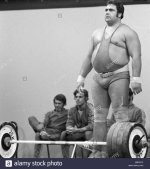
... It makes sense to me as most over 225lbs are overweight ...
Overweight? Or in perfect shape?
ahalpert
Major Contributor
Brings me to another point- I don't think your weight quantity matters at all. All that matters is a holistic assessment of your health and how attractive your wife finds you. I dont even use a scale. I can tell when I'm gaining weight and I can see how my skin looks, etc. A lot of celebrities (for example) after starting to gain weight then seem to lose weight via semi-starvation diets paired with excessive exercise. And it just makes them look older because all the attractive fat and muscle in their face and smiles disappears and generally they take on a beleaguered appearance because they're running themselves into the ground