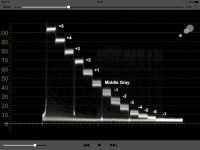
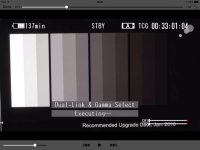
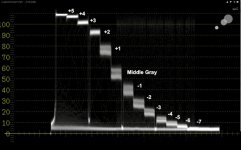
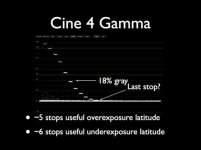
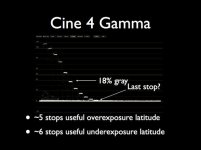
Raw will not change the native DR of the camera. It frees you from all the futzing about with the camera engineer's built in video luts. When you have full access to the "linear" ( 1 gamma) DR range unconstricted by the the 10 stop linear (1 gamma) range defined by REC709 you can modify the raw data to fit the video space any way you see fit. You choose precisely where to clip shadows and highlights, how the gray scale values are mapped through the video range, how your highlights roll off, what detail and noise level you want to achieve in the shadows. You define the gamma compression curve to suit yourself with a properly calibrated monitor as your reference. It is about creative freedom to manipulate the images.
It also can make shooting in the field much easier as you are only concerned with getting optimum exposure, everything else that defines how the image looks is done in front of the camera and in post with meta data. The processing that the camera does to output HD video with Cinegamma or S-log or whatever is bypassed, you do it on your computer in grading.
Those of us who are used to grading raw still photographs love this freedom, but it still seems to give many video shooters the willies. There is definitely a steep learning curve if you haven't done much of it.
Last edited: