
stoneinapond
Veteran
joe12south;1986677178[/QUOTE said:Light your subject. Expose for your subject. Then deal with everything else.
Print in large letters and post on a wall....

Follow along with the video below to see how to install our site as a web app on your home screen.
Note: This feature may not be available in some browsers.
joe12south;1986677178[/QUOTE said:Light your subject. Expose for your subject. Then deal with everything else.
Yes, set one of the zebras to your skin tone target and one to your highlight target (I use 70% & 100%.) Assign zebras to the function button of your choice.Right! 70-75% for skin tone, correct? What's the best way to quickly and efficiently monitor that IN CAMERA (internal screen) with GH4? Set zebras to 80%, make skin tone have zebras, stop down once? Is there a quicker way to swap between Zebra1/Zebra2 with a function button?
That is correct, in both practice and theory.As for ETTR, I don't know if I phrased my question correctly but it's hugely important to me to understand the rationale here. No skin tones, no humans, just a nature or urban shot. In the histogram, I can fit the ENTIRE shot with room to both the right and left on histogram. Sorted! Right? But no, ETTR says push it as far to the right as possible, bring down in post. I assume to save shadow noise and give the dark areas more light thus more data and flexibility, right?
I think you do need to consider that the way that the GH4, and most other digital cameras (other than Arri,) blow highlights does not look pleasing, as it is a hard digital "peak" and not the analog "roll-off" of film. So even if these blow-outs occur in non-critical areas, they can be distracting. Specular highlights aren't a problem, we expect them to look blown, but cloudy skies and snowy fields, etc. can scream "DIGITAL VIDEO" if not protected. It's a trick to balance, but in those cases you generally need to find a way to bring up the light on the subject since you can't realistically bring down the light on the sky.SO - Let's say I have a snowy roof and sky in the top right back corner. It's not really important for the shot. I can already fit everything on the histogram, but then comes the ETTR question - if I can afford to lose those highlights, should I clip them out to get another stop in the shadows and midtones in the main part of the image, even if not really neccessary? Will that extra stop give me a cleaner image for the 85% of the shot I care more about? Or is this a point of no return trade, where in reality I already have plenty of light in the shadows/mids and I can still ETTR and fit everything in, every pixel happy, full image. Or does "every stop count" in those shadows and mids, even after they are well away from the left?
Basically I understand the ETTR principle to give light to the dark areas, but I am wondering how far we take that if everything is already fitting well into the camera's DR/histogram. At what point does an extra stop of light cease to help the darker tones?

Speaking of film look: GLASS.
This was shot on GH4 and it actually captures some of the look that even good grading can't seem to capture. This was shot on Zeiss Milvus glass.
https://vimeo.com/142131600
Yes it was graded and shot well, but there is a distinct non-GH4ish look to it. For me it raises the question, how much of this is due to the glass?
Thoughts on Zeiss Milvus glass with an EF Speedbooster on the GH series VS going native with Voigtlander Nokton M43 set?

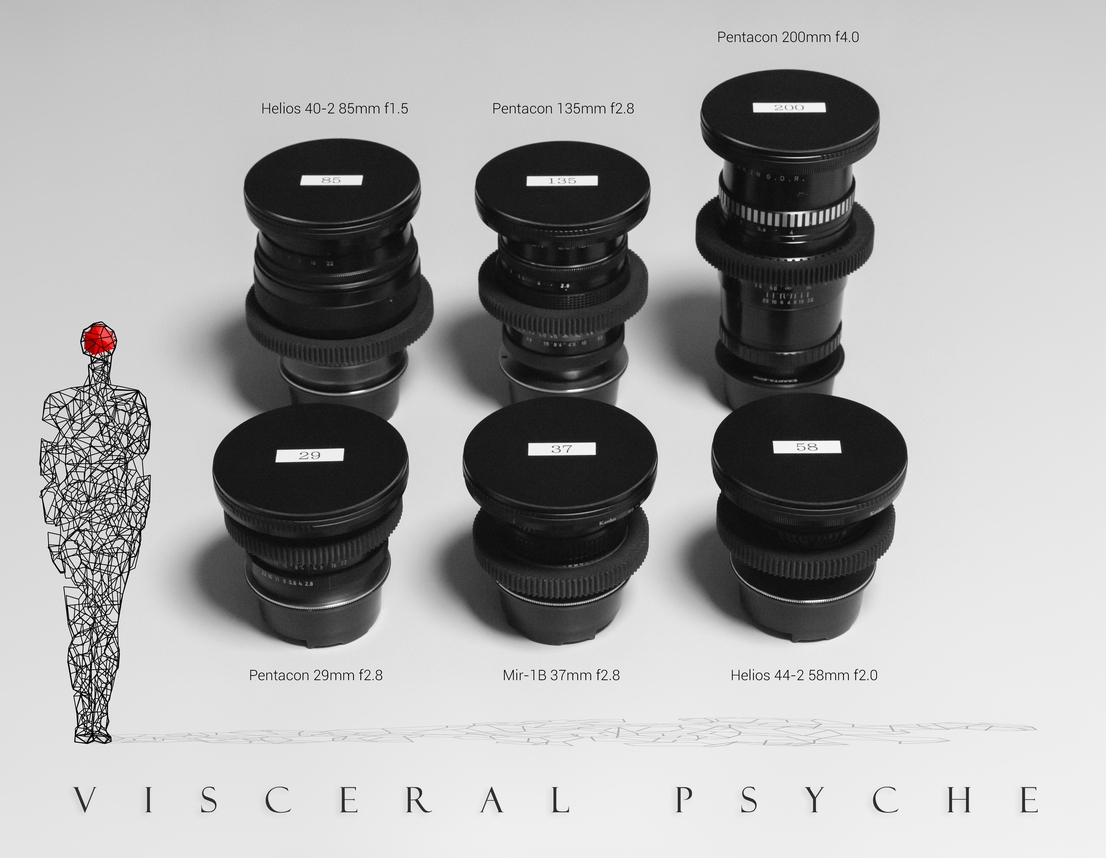
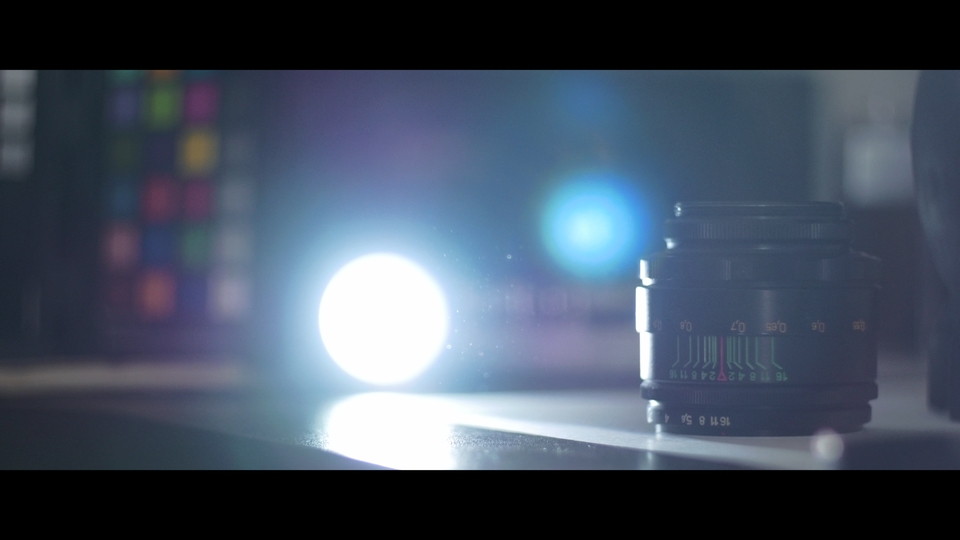
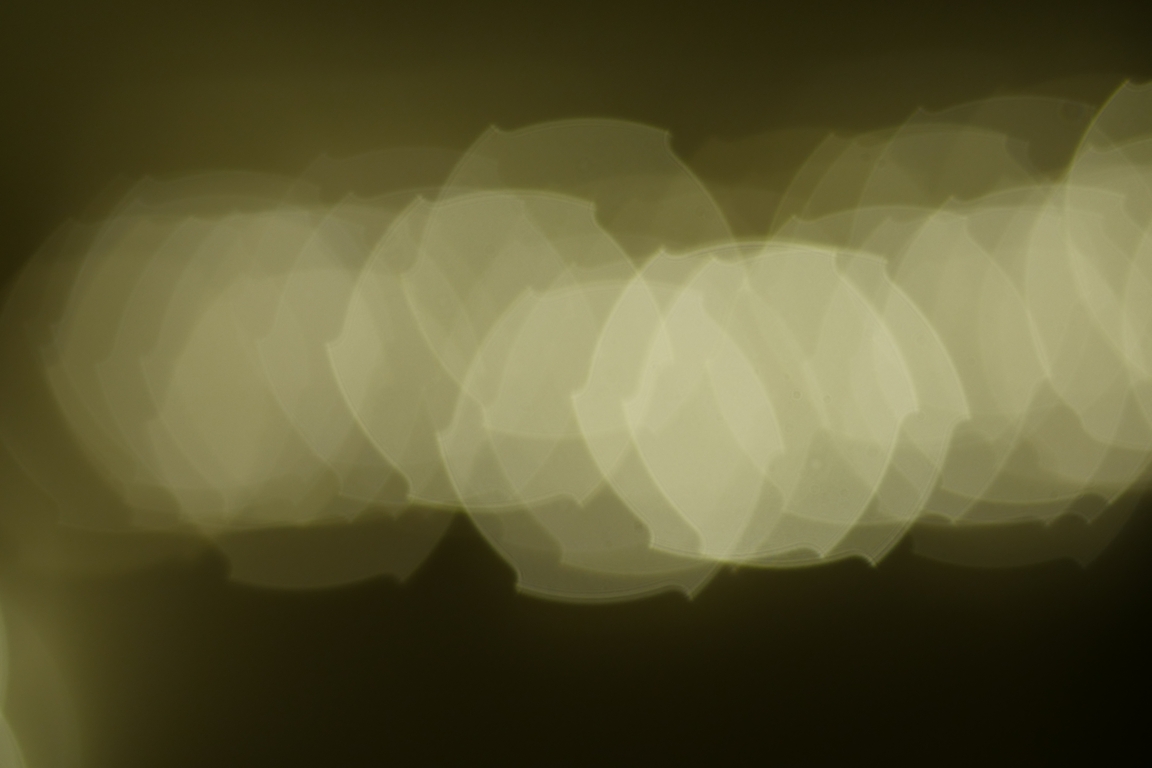

Speed Booster comes off just like any lens. It's about one second.Thanks guys! I've also realized how important the lens is. I noticed it immediately when I swapped from a native M43 lens to Voigtlander. Massive difference in the look and feel.
However, it seems that trend continues and the Zeiss Milvus lineup paired with M43 would elevate the look and feel to a much higher level than even the ultra fast, quality Voigtlanders??
If this is the case, perhaps it is worth investing in a XL .64x speed booster and 3x Zeiss Milvus lenses... 18, 35, and 50 (for a net result of 23, 45, 64 focal lengths?
If I want to take the GH series to the next level, is this advistable, even over the Noktons?
Lastly, how quickly and easily is it to remove a speedbooster? Say if I want to work with a mix of Speedboosted glass + native m43 glass and swap multiple times a day in a shoot? (IE a Lumix 12-35 for gimbal work, then pop on the Zeiss lenses, then perhaps swap to the ultra long native Olympus 75 f/1.8?
And, any reason to NOT go .64x XL speedbooster if not working with APS-C glass?
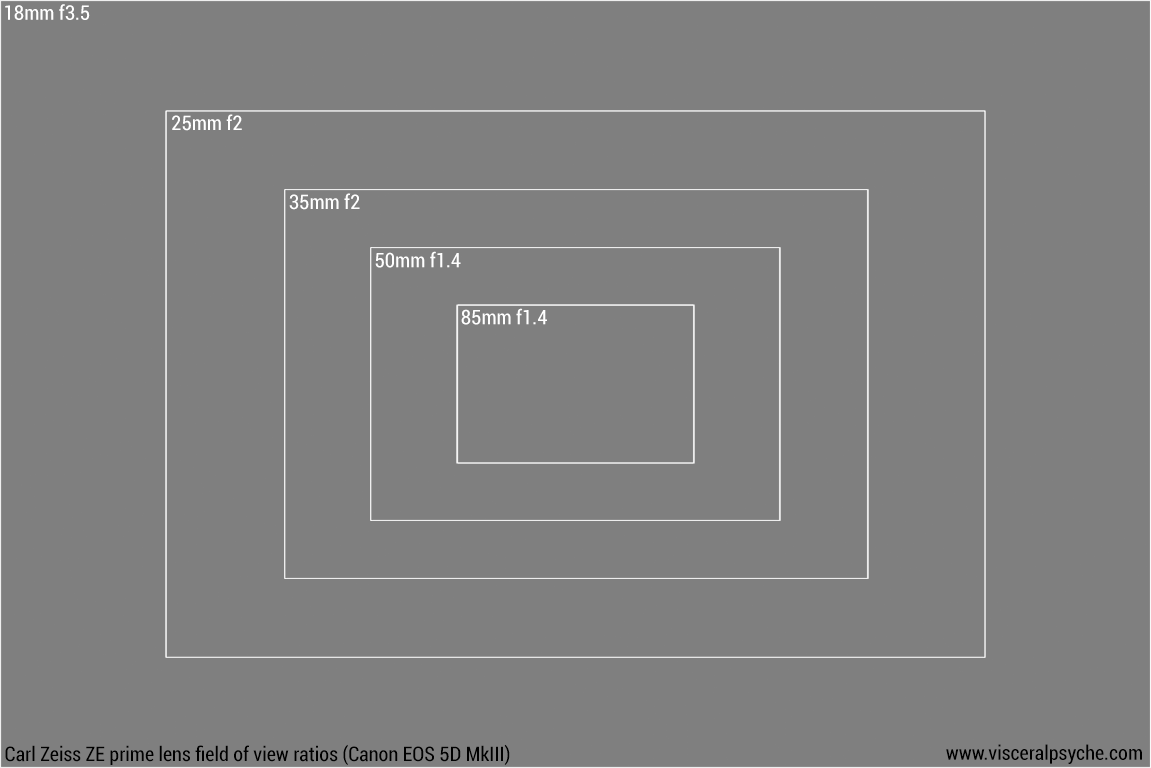 Gives you enough money to buy the Metabones plus some left over for a nice follow focus and rods to really make it all sing! (I am not addicted!)

I will have to consider all of this!!
Related, and sort of looping back to that film look / larger sensor look on M43. Here's a video that's not the best thing, just someone with some know how doing a quick camera test in the snow. It's on FS700 + Zeiss 21mm.
https://www.youtube.com/watch?v=T6odrJa75m0
All of this, but particularly at clip 0:45, there is a distinct sort of layering, pop, and smoothness to the image that I don't think could be replicated on a M43 camera. I am not just referring to the exact focal length either, as this is indicative on other focal lengths and deeper depths of field as well. But can you see what I mean?
What is it that is responsible on this clip primarily for what seems to be largely unachievable on M43 (IMO). Is it just the lens and color grading? I feel like there's more, but I can't articulate it. For a direct comparison, here is some great snow footage shot on GH4 by the very talented Martin Walgren:
https://vimeo.com/152059365
The way the image renders is just... different. It feels smaller, more cropped in (not referring to framing), sharper, not as smooth. Not as much pop or 3D. Just... smaller.
And while it's not as comparble content wise, here is a 2 minute GH4 piece shot entirely on the Nokton 10.5 at wide apertures by the very talented Hiro Kemigawa:
https://vimeo.com/137833645
Great looking - but again, despite the same focal length and similar DOF (I know the content is different), the image renders completely differently to my eye.
.... So, is it primarily the Zeiss responsible for that look that renders the image different, or the way light falls and projects through a larger format image size, even when all else is equal?
I do wonder if the "Great Sensor Size Debate" has some similarities to lenses: On paper, and scientifically in test shots, depending on what you measure, a Zeiss may not be much different than an Olympus M43 lens. Both sharp, equivalent fields of view, etc. etc. Are we looking at sensor sizes too mathematically, or do they render images differently in a way of "character' that is hard to quantify, and in a way that goes behind LOG, bitrates, grading, framing, composition, etc.?
Or maybe it's all just the character of the glass, when all else is equal...?

Looking through M43 Blackmagic Cinema Camera footage makes me think it has less to do with the sensor size, and more to do with
1.) size of photosites
but perhaps even more so
2.) the way of processing the image that Panasonic employs
BMCC looks much smoother and less digital. Very organic. Everything rolls of in a creamier, more buttery texture. In addition the extra DR from smaller photosites seems to help, not just in contrast between extremes, but in midtone gradation.
I'm sure ProRes 4:2:2 has something to do with it as well, so here's hoping with vlog and high bitrates and low sharpening that the GH5 can achieve a better look, and something more like the BMCC if desired.
So far, the Neumann Films Footage (Off the Grid + 180 fps Bored) both look good, but no matter how many ways I see people grade that footage differently, none of it seems to capture the aesthetic of the BMCC. Perhaps in camera settings will change this more... but why is this, and is there hope?
That is one thing about the Sony sensors (which may have less to do with the larger size, but the entire chain of processing) - they share much of that softer smoothness and subtler tone gradation.
It's not all equal and there's more to it, but the BMCC footage I've seen is consistently more compelling.
But that camera is so limiting in every other way. Regardless, it gives me a lot more comfort in investing in the native M43 mount. I hope BM releases a killer M43 follow up, and I hope image setting options in the GH5 can help tune the look better.