nedcam
Well-known member
Hi Catherine,
Since I also do documentary shooting and own the Tokina 28-70mm I thought I'd give you my .02¢ Nice job you did on the clock documentary, I do that type of shooting a lot. Which camera did you use for that?
First off, although it may take several days, do what I did when I considered the AF100: Go to Day One of this forum and speed read the threads pertaining to lenses, especially from a documentary perspective and buy Barry's DVD. I figured out many people on this board do a lot of "set up" or dramatic/highly stylized shooting and their requirements are very different than our cinema verite needs. Also, many shooters seem to have a printing press in their basement...
One post that I remember made the point to rent some lenses with the most range and note after a couple of doc shoots what range of mm you tend to shoot in most. Some people like to hang back and be tele, I like to be on wide angle and up physically close, I don't mind being on top of people to simulate a human POV, (my 11mm isn't wide enough for me). That would be a great way to figure out what you need. Don't reject buying used lenses. The term "parfocal" is deceiving because I have been burned by it, you need to confirm focus constantly. I am Old School: I do not trust auto, or rather I should say what I want to be in focus can be different than what the camera thinks I want in focus.
I have not yet used a Lumix but I now have gotten good at changing f-stop either from the lens ring or my Novoflex adapter so the extra expense of controlling it from the camera I don't get, perhaps someone can educate me.
Here's my Tokina 28-70mm story of last week: I am producing a corporate video series that is to have the "look" of a real documentary, very typical assignment. I hired a DP with a Scarlet for my master angles and I used my AF100 as run around B-Camera. The AF100 is not good as a run n' gun/doc/reality camera (neither is the C300, F3, FS700 etc.) but I am doing my best to make it work instead of griping about it (check out threads on that). Like Erik said you need to be able to change lenses FAST, similar to:
http://vimeo.com/6171118
As usual I noticed how slowed down I was changing lenses, keeping track of caps, keeping the public from stealing the bags, etc. so I kept on the Tokina 28-70 for 80% of the time and that range worked well for me. Lots of documentary action happens in that range! Especially people oriented scenes. If I needed a tighter face shot I am not shy about getting physically closer. My Tokina 11-16mm handled the wide and the missing range of 17-27mm I took care of by changing the shot and/or my distance. So my point is, if money is a concern and you don't have a printing press in your basement, you already have a lens with a very useful documentary range right now. The lens doesn't have much value to sell as used so consider it your "starter" lens. And learn to change lenses quickly...
I prefer primes for talking heads because they are slightly sharper and faster, unless I have a client who wants to change focal length after every interview question (ugh). So keep your 50mm and add a few more when money permits, remember to look for used with a return guarantee. If you live by a large city Craigslist is good for getting lenses because you can meet (safely) and try them out. If you can't afford the Lumix 12-35 look over the posts for highly recommended lenses that will cover the wide to 28mm range or at least most of it. Then keep an eye out for the 70-140ish range but you will not be able to get away from changing lenses all day long.
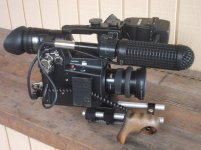
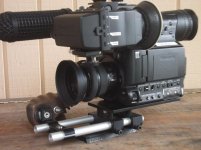
On another note, (I don't want to get far off the lens topic) but you wondered if the AF100 is a good doc camera. Just want to say, if money is tight, I learned that the shoulder rig to do hand held documentary (comfortably) is going to end up costing quite a bit, PLUS I learned the hard way I need an EVF for outdoor sunny day shooting to get my eye up against a cup so I can truly confirm focus and exposure. You will have to balance your glass budget with rig/monitoring costs because in documentary it will be on your shoulder a lot and you need to have confirmation of focus and exposure. The lens doesn't matter if the shot is shakey, out of focus and the exposure is off, so beware the costs of the accessories to make the AF100 useful as a doc camera.
Best regards,
Ned