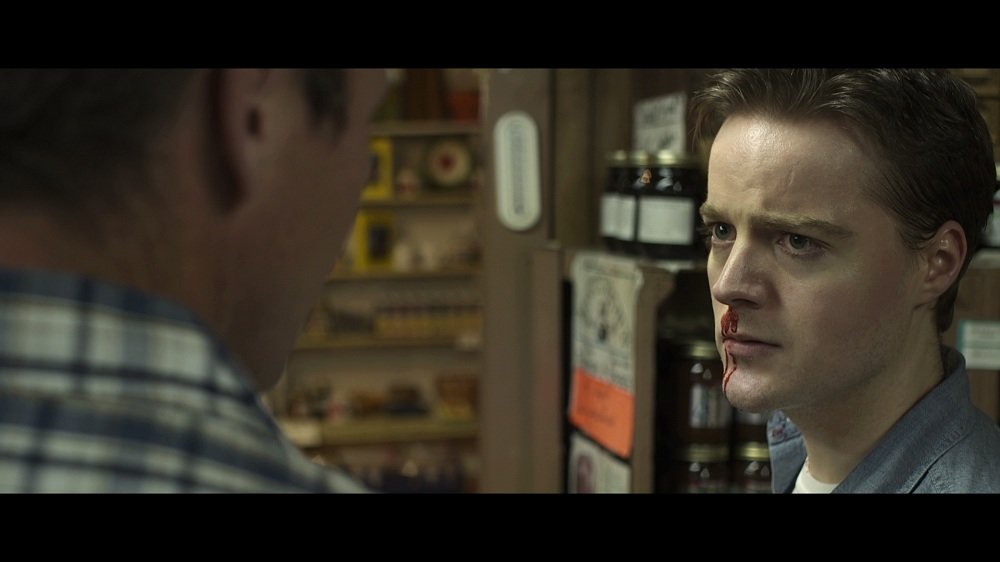
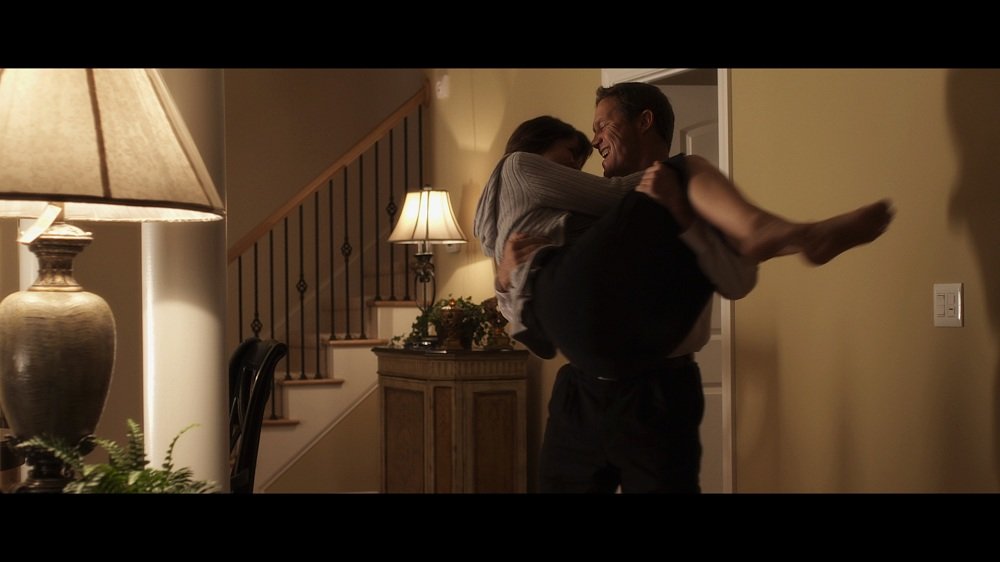
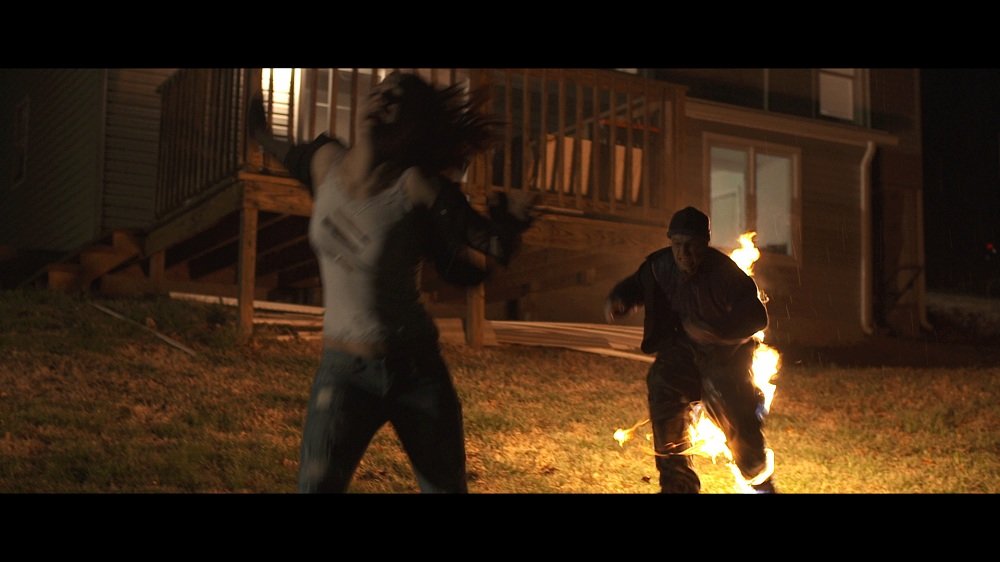
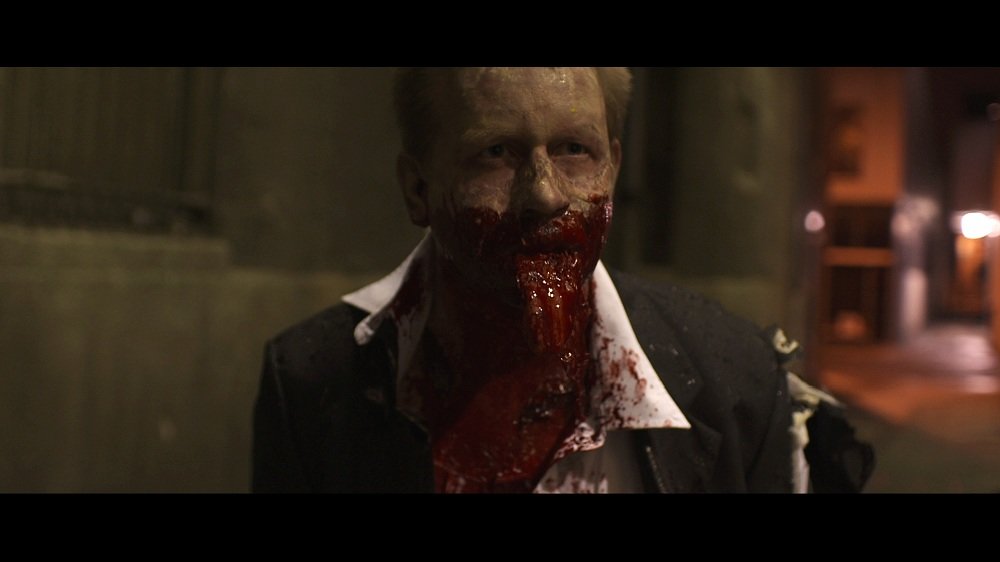
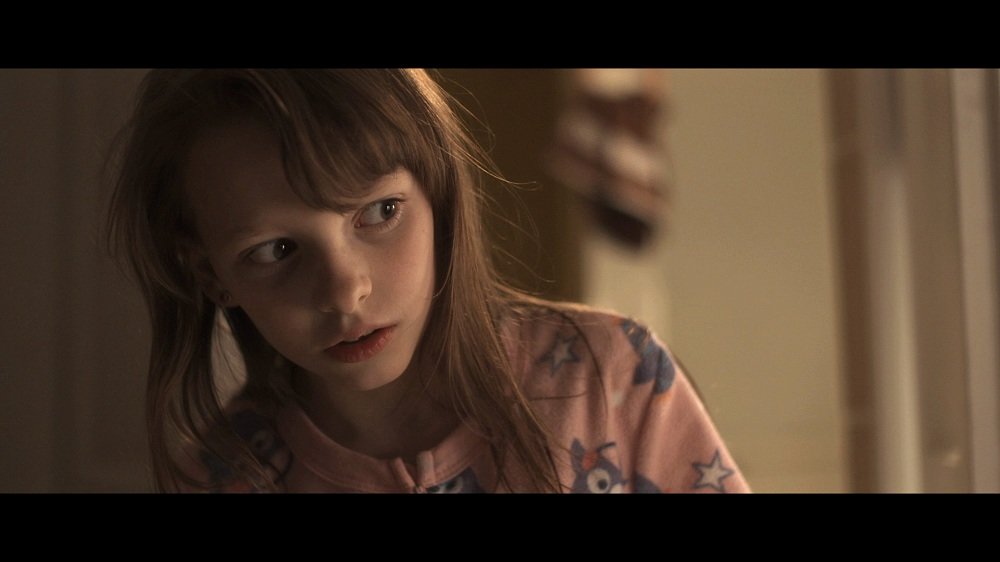
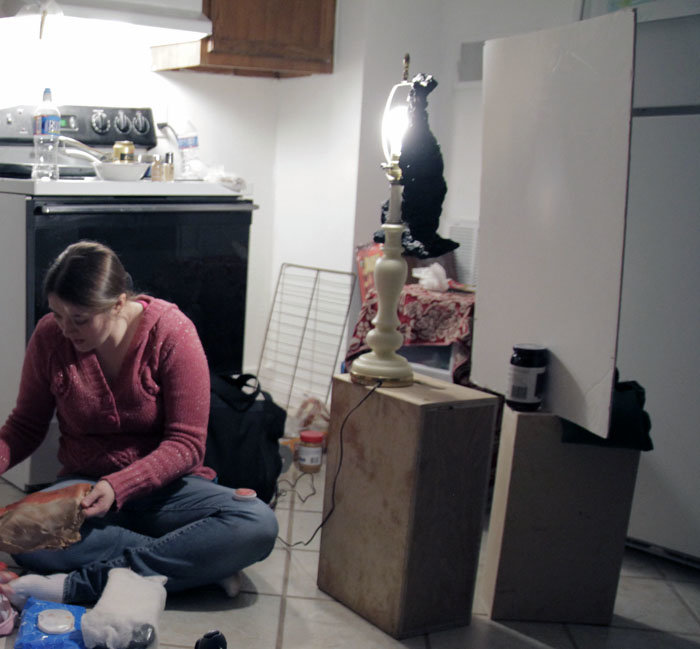
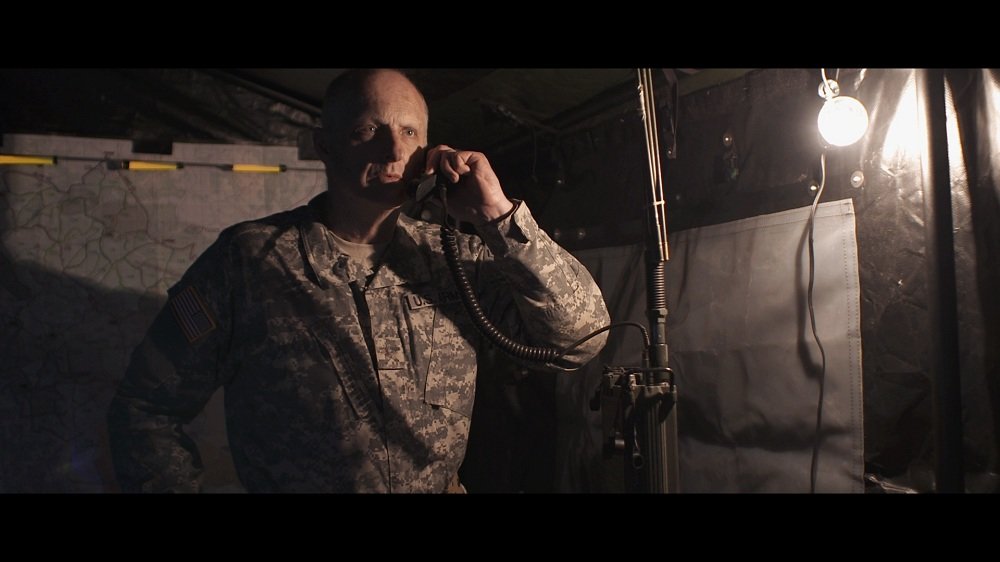
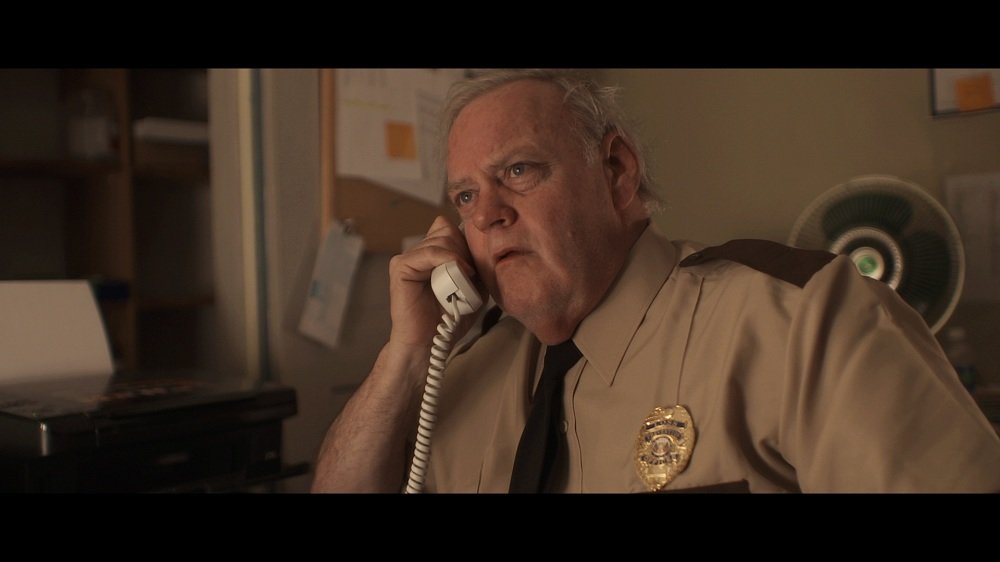
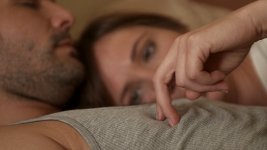
"Plan 9 from Outer Space" - Shot on an early release F3 camera, winter/spring 2011
**I had posted this on another site back in March and am re-posting this here because of the specific F3 audience. The old post had some dating errors in it due to how busy we were and because I was saving my original post as a text file before making it public to get approval from everyone. The shooting technically started about March 1st.**
A growing number of horror/sci-fi fans are expressing their views, sometimes loudly, as to whether or not doing a remake of a film made famous because it is "so bad, it's good", is a good idea or not, but like usual in independent film opinions are often ignored and things get done regardless. So with encouragement from one of the original actors of the 1959 classic film, along with lots of free help, state/regional film office support and enough budget to cover basics, two years of stagnation was suddenly dissolved and the production wheel was set in motion.
Not so much a "Dogme 95" doctrine but more one based on the reality of the current indie film market, this title is facing some of the same conditions that must have fallen on the first one, which has caused us to loosely self-impose some rules which should help get it done "no matter what". Entering into this with a clear idea as to what will not be available is important so some general rules are helpful to everyone involved and should speed up communication and douse some frustrations. These guidelines aren't concrete but do involve such things as using what light is available whenever possible, composing to hide set faults, using very little lighting and support so the small crew can move efficiently; the usual things you would expect but more often with smaller films that this and by small I mean in concept or scope as this one has a lot of set-ups, actors and locations. The only surprise might be that very little is to be hand-held.
Camera woes:
This was to be shot on film, even the investment trailer was on S35mm. As budget and crew size realities set in the idea was to explore options no matter how unconventional, while keeping in mind that we'd likely go to S16mm, which was my first choice all along given the material. I personally spent many nights until 4am doing research into the possibility of changing the whole look and shooting style by using the Super 8mm system. After exploring just about every camera/processing/scanning price and possibility, I came to the conclusion that it just wasn't right for this one, mostly given the reliability and functionality issues with the 8mm camera options. (One surprise was that the pricing difference of 16mm vs. 8mm wasn't large) Also, the effect on distribution possibilities by what your technical choices are must be considered. This led me further away from a format that I love for so many other reasons. As time went on and more was put into narrowing down the best possible deals on 16mm, a budget comparison had to be made to what many might see as a comparable digital option.
Sony's new one:
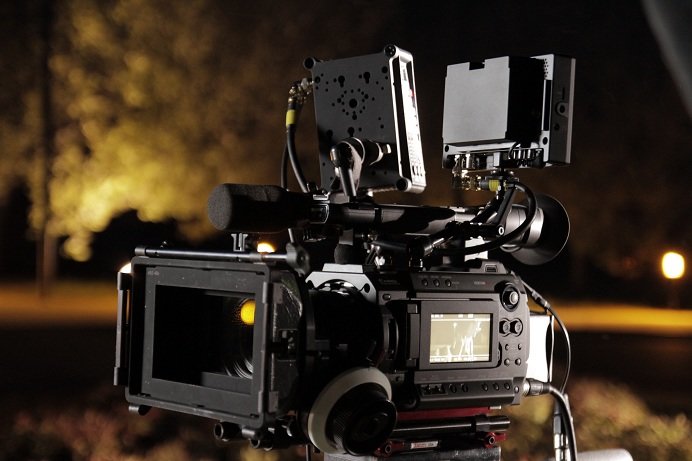
When the usual suspects (as of March 2011) were looked into, an average savings of $10k over 16mm was too much to ignore for a film of this kind so, to make this short, the Sony F3 was chosen after all options were laid out and considered including red's stuff, SI2K, AF100, the SLR's, F900, etc. Ease of use, low-light abilities, quality of image, price, lens options, DoF control, post issues, reliability and support was why it easily won us over. My only concern was with the on-board codec which will certainly work for many applications, and is proven with the EX line, but for a feature that will surely rely on color grading at times and will have a few FX shots, I wouldn't settle for anything less than 10bit 422.
Some product releases occur at the best moment:
The AJA KiPro mini was just released which will allow us to record straight out to 10bit 422 ProRes. The fact that the F3 offers this out of the box, from its HD-SDI output, makes this a perfect marriage. We have two 32gb sandisk cards, which are one of the few approved by AJA, that will handle around an hour of recording.
Battery power is of some concern but with the KiPro and the F3 on, we are only looking at about 35 (40 max) watts total. I have some on-board aftermarket 95wh Series7 batteries with a power tap that will keep things running for more mobile occasions and a small block battery when needed. I'm building a couple of custom cables to make power work and to hook into the 6watt monitor if its own battery goes out. I'm still looking for the best deal on a set of older Zeiss primes to finish the package out.
Exhausted.
A lot of relief is now felt after deciding on a camera system. So many 4am bed-times have gone by trying to find a way to make all of this work efficiently. Some of this relief also comes from deciding to embrace the digital option differences. The F3 makes this even easier. It doesn't fall apart or look anything like SLR footage (which is something I have grown to really dislike) and doesn't have that overly "digital look" that some do. Having a perfect sized, metal-bodied camera with a little weight and lots of usable features like 8 user-programmable buttons, lots of 1/4 20 mounts, is a good thing too. The F3 does something a little different than the rest and this tool fits this film well, now, finally.
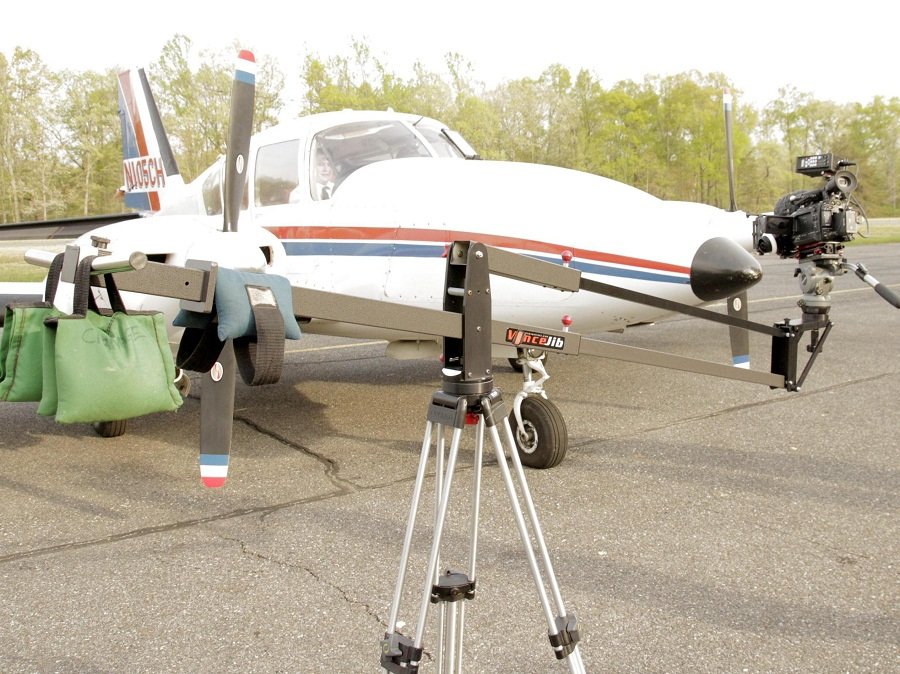
Keeping in mind the crew size and issues mentioned, and the fact that we don't want to do lots of hand-held zombie shots like is seen so often these days, we are going to use an updated Vancejib for several of our set-ups. It's very compact and light but will support a loaded camera well in tight spots. Cineventions, who makes the Vancejib, is going to release a new product called the "Zoomcrane" at NAB and we may get to test it out in the middle of production as well. The idea behind using a small jib much of the time is to keep the camera moving, even if very slightly in many shots, along with a compact dolly.
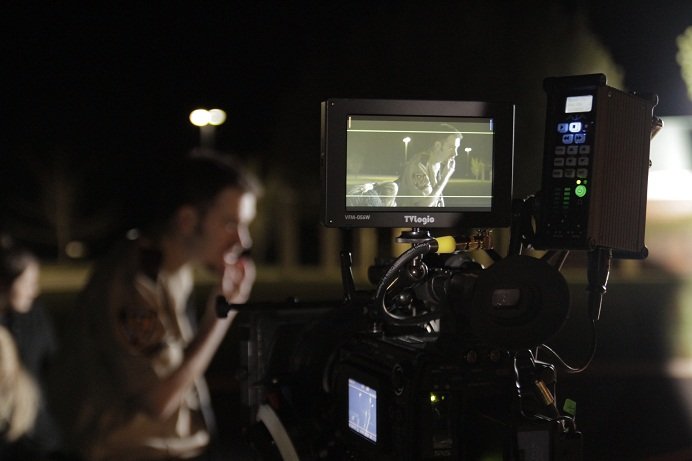
In keeping things small and mobile, the new-to-me and impressive "smallhd DP6" monitor is the main on-board reference. The camera's monitor is too small but I have to say, the focus/edge enhancement Sony built in is really nice in some situations. You can color it red, blue, yellow or white and with a little practice, you can grab focus in an emergency yourself. The smallhd monitor will update itself via a usb drive so we should have that done before shooting starts. The new firmware release is correcting a yellowish tint lean that it has, and is adding some frame-guide options to an already impressive feature list. Matching it's look before-hand via a high quality monitor will help in nailing down what we are recording in the field.
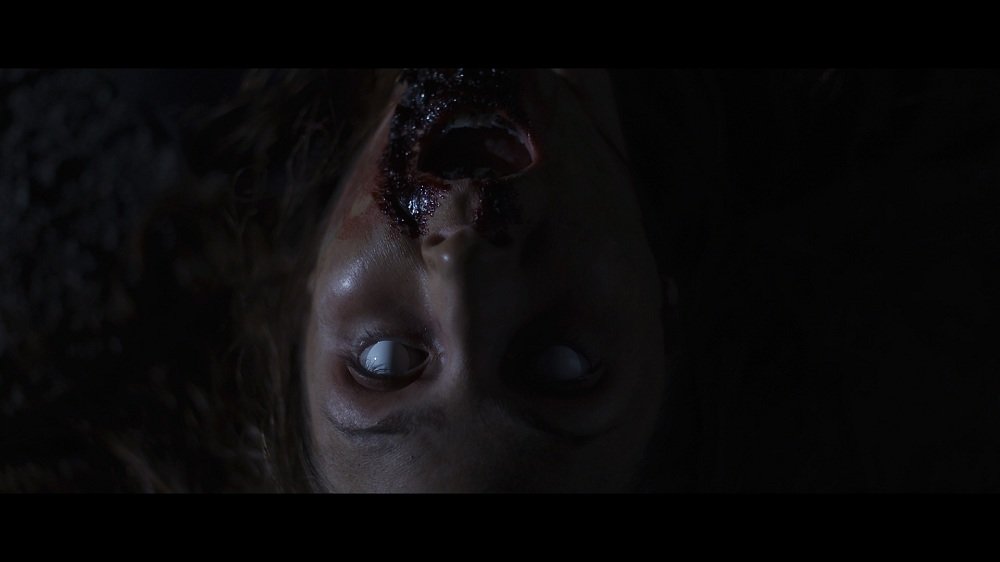
As far as the fairly deep F3 menu settings go, I am still testing/learning. This is little info out there to help someone understand it all. (When will Abel offer a class!?) What is obvious though is that using one of the Cine (1-4) settings under gamma options looks good as a first step. These Cine settings are what Sony people refer to as "hypergamma" apparently. A poor-man's version of their S-log, I was told. The F3 has an S-log update coming but we won't have it in time. It's no secret that I am not overly technical so I will end up using what we like most after testing and trying out some basic grading extremes, while closely watching the effect on overexposed (or close) skin and makeup/blood FX. Some of what you prepare for goes out the window in a flash, especially on this kind of film. That's part of the excitement though, I hear. In a rush, as long as we keep the blacks where they need to be and balance colors appropriately, we will be fine for grading.
More will follow over the next month or so. I'll post some grabs from testing if wanted. I don't know what might be of interest to people here, technically, so I will post what I can and more if asked (if I can).