Ronald Gerald Smith
Active member
Roel,
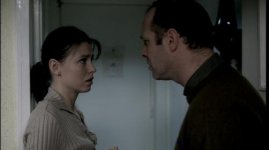
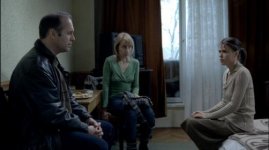
There is no such thing as 'pretty light' or 'cinematic light'. Light is light. There is only light that feels right, and light that feels wrong. Cinematography cannot exist without a story. Photography can and does exist without a story. Take a still frame from a movie that you like - take something shot by Roger Deakins or Harris Savides or Lance Acord or Matty Libatique. Compare it to an Ikea catalog. It might look underexposed, flat, boring, ugly, etc. compared to the Ikea catalog. That is because the Ikea catalog's whole purpose is to show how great the furniture looks. Cinematography's purpose is completely different. It doesn't exist to make the subjects look great and the room and furniture look great. It exists to tell a story. Everything from your lens choice, the lighting, the camera movements, the film stock, the type of camera you are using, it should all strengthen and support the story and make it stronger. If it makes the story weaker.... that is where you have a problem. Imagine if Black Swan was lit using the traditional Hollywood method of backlight, fill, kicker? Read the American Cinematographer article on Black Swan and you will see that their approach was much different from traditional lighting methods. Imagine if it was shot on Millenium XL with Primo lenses on ultra crisp stock? I felt that Black Swan was very beautifully lit even though some people might regard some scenes as 'ugly' from the traditional standpoint.
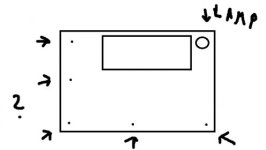
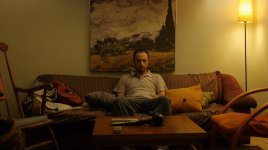
Roel, I have seen images like that in a lot of movies - the orange really warm glowing living room might be appropriate for some kind of party scene. Just make sure to hide anything that looks weird and unnatural like those cables on the top left corner. And also that shadow underneath the painting is kind of weird too. If the story calls for it, then the living should be fine the way it is lit now. Same with the kitchen.
I'd say: As long as the light looks natural, your camera has enough exposure, and it strengthens the story---go for it! Have fun!