ahalpert
Major Contributor
This will be limiting politically as well as in terms of cultural standards surrounding taboo subjects like sex, etc.
And in contrast, Hollywood regularly produces movies that are critical of American government.
https://www.axios.com/china-censor-hollywood-films-14d77229-b853-4e7a-8635-71191393615d.html
"China's box office is projected to soon surpass the U.S. as the largest film market in the world.
"Access to that market can make or break the success of a major Hollywood film," said James Tager, the author of a recent PEN America report about how the Chinese government censors the U.S. film industry, and how the industry responds by self-censoring.
But the Chinese government tightly controls access to the market, excluding films that include content it dislikes, and blacklisting individual actors or film studios that have previously participated in activities the Chinese Communist Party doesn't like.
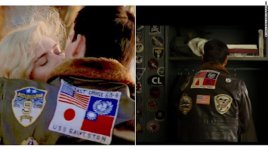
The result is an "epidemic of self-censorship" in Hollywood, said Aynne Kokas, assistant professor of media studies at the University of Virginia, and author of the book Hollywood Made in China.
"They are removing content that they worry could upset the Chinese government even before actually proposing it to the Chinese government. And there is pressure to include content that is more flattering to Beijing," said Tager."
"the last time a major Hollywood studio made a movie that presented a vulnerable group as the victim of Chinese government aggression was in 1997 with "Seven Years in Tibet" starring Brad Pitt.
The Chinese government responded by slapping a five-year ban on Columbia TriStar, the production company that made the film — a response that cast a chill over the U.S. movie industry."