Zoom F6 is now available, Amazon, Adorama, and B&H have stock.
Should be able to test the F6 on Wednesday- really dig the form factor and powering options, and of course looking forward to testing 32-bit float (including with 3D ambisonics!).
Curtis talks about the F6 compared to the MP II series:
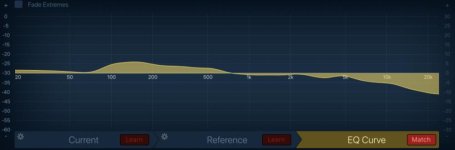
His main points for the MPII over the F6 are better dials (quality), prefers the MPII form factor, better headphone amp, and a warmer sound. For what we do, dig the smaller size of the F6, especially with battery. I didn't like the dials for the MPI compared to the USBPre 2 (felt cheap, though not as cheap as the F4 dials). I preferred the sound of the USBPre 2 over the MPI, and found I could easily EQ the F4 to sound like USBPre II. What the SD recorders had over Zoom was clearly better limiters, however with 32-bit float there's no more advantage when recording internally. For feeding a camera, the SD limiters provide extra value (when not using 32-bit float); will test the F6 limiters and see how they compare to the F4.
While the SD headphone amp is indeed excellent, until they fix all the bugs I found with dangerous ear-blasting events, that powerful headphone amp is a minus. An output limiter/compressor is easy to implement for both the headphones as well as feeding a camera, especially when the signal is 32-bit float.
Curious how Zoom handles line/mic out when recording 32-bit float (as Curtis noted, if recording on the device and camera at the same time, you'll probably be using separate audio anyway, so camera audio clipping shouldn't be a big deal (unless the entire track is clipped, making audio-based sync impossible)). Again, if Zoom didn't do it already, adding a limiter/compressor to a 32-bit float signal path is easy (could be added via FW update if not already present).
Based on power requirements, I'd expect the F6 to use a lot less power than the MP6II = longer battery life.
Last edited: