FS7: Sony FX9 v Canon C500 mkII

One difference between the cameras is the size. I can get the C500 MKII balanced on a Zhiyun Crane 3 with the smaller BP A30 battery. It can't tilt all of the way up unless I go to a small prime, but it does work well enough that I can replace my DSLR as my single handled gimbal.
 
Interesting, I’ve been meaning to see if I can get it balanced on my ronin-s.. or if not, my OG Ronin. I love the ronin-s mounted on a monopod for quick slider/jib moves.
 
Stability! The same reason some people put a gimbal on a vest arm or other systems.

Supporting the support system for the ultimate...support.
 
How do you use the Ronin s on a monopod? what does the monopod add?

I blew a fellow ronin ops mind one day pulling off these slick moves at our farmers market, right in the middle of a huge crowd of tourists. Simply put, the main issue with a 1 handed gimbal is that 1 hand isn’t particularly stable (for long) with 8-9 pounds of payload. Take that load to the ground balanced on a single point and you have a few feet of very stable movement in any direction (the gimbal takes any roll or tilt out of the equation.. extend the monopod and grab with two hands and you have a very nice boom with a stabilized head on the end. Great for over the crowd shots, or low jib moves....
 
Trying to visualize what you're describing - are you keeping the monopod on the ground for that, or just holding it with 2 hands on a longer arm?

I've gotten into adding just a short 6" handle to the bottom of the Ronin S and screwing an eye bolt into the accessory adapter that takes 1/4 20 . then I let it sit in a fanny pack and grab the eye bolt with a saxophone strap while I'm in-between shots. Takes a lot of weight off you but I don't operate it like that.

Both. With a slider move, or a push/pull, or a pan it can be on the ground...You get a little arc, that depending on your subject and goal can be good or bad. A lot of times you're just after a very small movement, so it's pretty much invisible (any elevation change /arc). Extend the monopod to7-8 feet and you have a pretty linear overhead dolly shot. When I'm doing jib moves, I'm using it off the ground with my arms extended...one arm becomes the fulcrum, and the other arm is controlling...very little weight on either. Sure...none of these are perfect replacements for (dolly/jib) type tools, but they can be used in run and gun situation in crowds or non permit situations very effectively. You get a lot of flexibility into the type of shot...and when you get tired...the monopod becomes something you can lean on. I find it a very effective technique with the Ronin-S (which I rarely use for walking/follow shots due to my advanced age and general gimpiness. :-)
 
This! Is why i love this forum. Amazing tip, thank you.

I have the Ronin-M and Ronin-SC. The latter is laughably lightweight with a7s II + Sony FE f4 OSS at 450g. Have really missed these short, quick, stable shots. Especially with foreground elements. Its so easy to see unstable arms, and this goes especially for the -SC. The lighter the load, the easier it is to accidentally move it, often.
 
Nicest thing I've seen so far from the Fx9...(from a Sony ambassador). Looks like there was a bit of a budget :-)

 
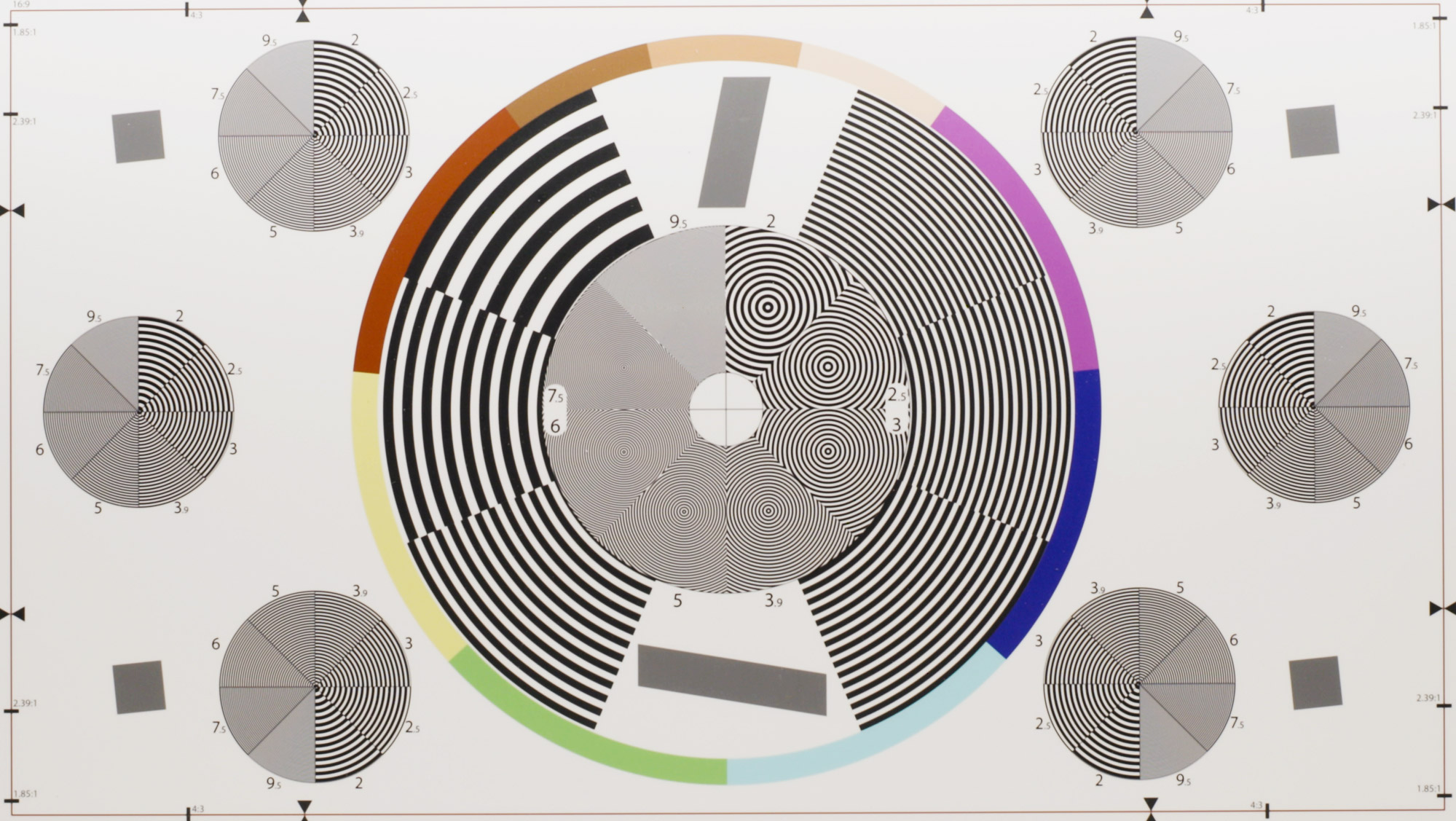
Zeiss Supreme Prime 50. Same distance from chart- cameras have slightly different FOV.
C1Chart.jpg

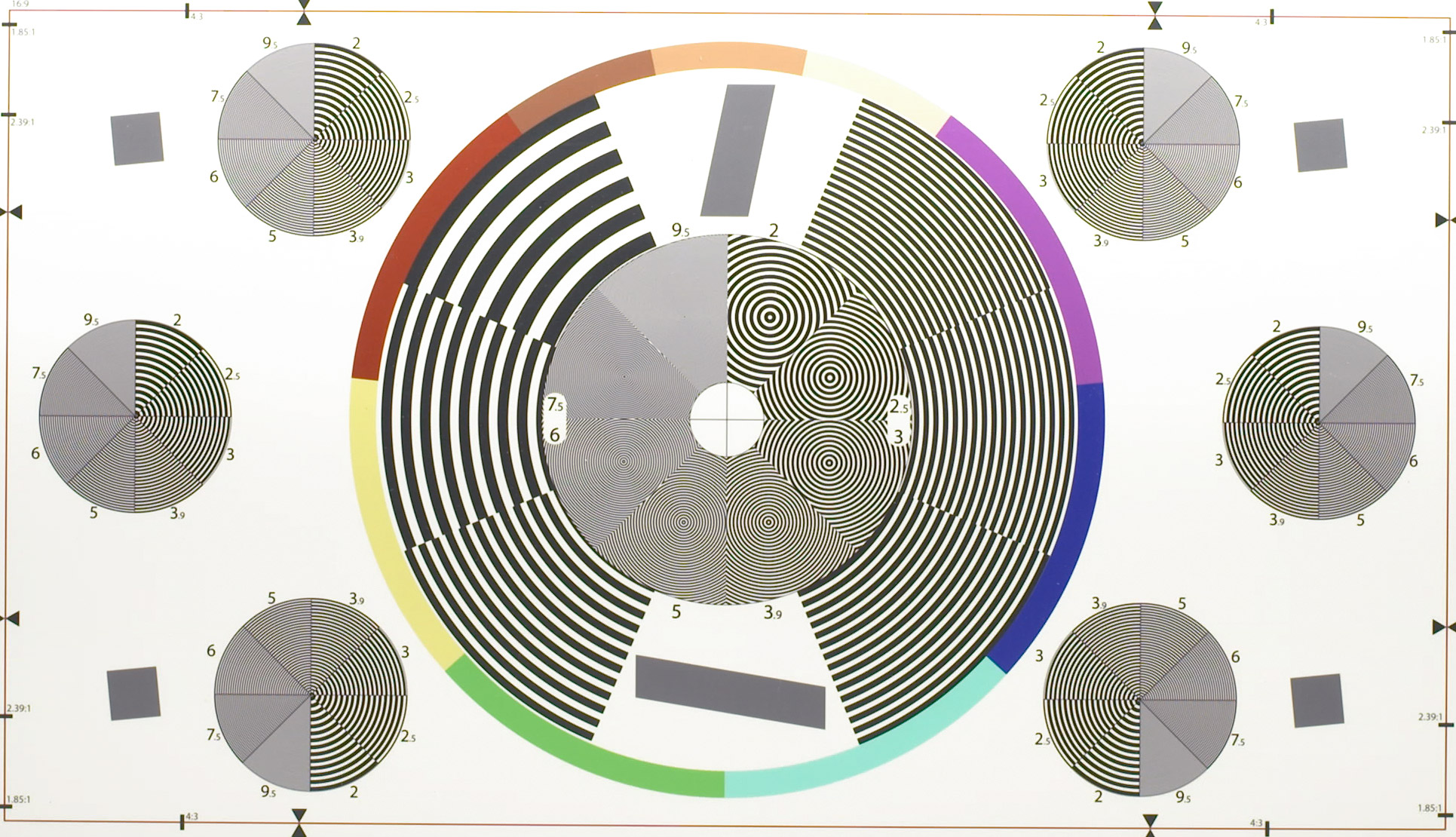
C2Chart.jpg
 
Zeiss Supreme Prime 50. Same distance from chart- cameras have slightly different FOV.
Both cameras appear to be resolving the same amount of detail without any aliasing (although it would be best to get the chart framing exact for both cameras, and normalize the exposure as well as that can throw off any comparison).
 
Well, at least it looks in focus. That slashcam test for the Fx9 looked pretty bad. Kind of makes me laugh to think of them publishing analysis based on an out of focus test. Some intern pixel peeping and writing very serious pages about it.

Reminds me of the Geoff Boyle test where claims that the C700FF has the same dr as an Alexa. These people are posting as authorities, so it surprises me how much sloppy opinion they indulge themselves in.

Yep. And yep.
 
It doesn't matter. That's the only point worth noting.

Agreed. A test like this is looking for anomalies or defects. If neither cameras shows horrible defects or significantly less than advertised resolution, then it is a win win.

Each camera has a set of image settings. It can be very useful to shoot a chart like this and see how noise suppression and codec changes can effect subtle details.

The “vs” aspect perhaps matters little, but the actual performance does.
 
While there is a technical winner, if most people can’t tell from a chart, most won’t be able to tell from normal shots.

Not clear what lens Slashcam used, for this test the lens costs more than the cameras (~$21K, and was carefully focused).
 
While there is a technical winner, if most people can’t tell from a chart, most won’t be able to tell from normal shots.

Not clear what lens Slashcam used, for this test the lens costs more than the cameras (~$21K, and was carefully focused).

FWIW, which is nothing, the top image had more detail, but that could simply be down to the software used to decompress the images. Nothing learned.
 
Back
Top