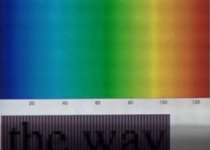
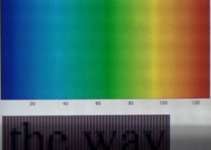
PXW-X70 can handle up to 13 f-stops

Be interesting if you shot this against a camera known for very high dynamic range such as a BMPCC or Sony F3 or Sony A7s. On even a very commonly known camera such as a Panasonic GH4.
 
No it can't...

13 stops is one stop short of Alexa ,

1 stop ahead of Blackmagic Raw.

The X70 has a much more limited exposure range than these cameras, still good, but it needs care protecting highlights and not pushing up shadows too much. You can see the dynamic range limitation of the X70 in all the footage and all the objective side by side tests available.

A great Video-style camera for TV/broadcast, but not a 13 stops of DR film camera.
 
10bit vs 8it and now difference in DR.

10bit vs 8it and now difference in DR.

No it can't...

The X70 has a much more limited exposure range than these cameras, still good, but it needs care protecting highlights and not pushing up shadows too much. You can see the dynamic range limitation of the X70 in all the footage and all the objective side by side tests available.

A great Video-style camera for TV/broadcast, but not a 13 stops of DR film camera.

Hi Ebrahim! Yes, I recently did a comparison of the XAVC 10bit with the 8bit AVCHD. The only difference I could tell between the 10bit and 8bit was smoother color transition, less banding, what others have seen. I also compared against a RX10 (similar sensor). In a properly exposed image, I can barely, and I mean BARELY, tell the difference between the 10bit and 8bit.

I also hope for more DR, like my BMPCC, but that is not there in ANY WAY. That is, there is no significant difference in pulling exposure for the 10bit or 8bit (except a very slight preservation in color fidelity, as noted above). Again, VERY slight. Here are some crops from each, AVCHD first I believe, 10-BIT second.

snap_rgblines_crop2_AVCHD.jpgsnap_rgblines_crop2_xvac.jpg

The test of DR I did in Premiere and hope to post eventually. The bottom line is that the extra 2-bits in video compression, as you say, are not the same as an extra 2-bits of RAW data. Not even close.

How do I explain that? Here' my try.

In a camera using video compression, it takes a value for each color (Red,Green,Blue) and combines them into one 24bit FULL-COLOR value. That it's called 8-bit is misleading because the 8-bit, sensor pixel values are combined into 24-bit values. (someone please correct me if I'm wrong here)

Sony's 10-bit CODEC uses 10-bit RGB values, (about 1 billion each) but still combines them into a 24-bit full-color value before video compression. The higher bit value means the full-colors are more nuanced, but it doesn't change their dynamic range, which is still 24-bits. This is why you can only see the difference at the fringes of color values. "Center" values of rgb are the same in 8 bit as they are in 14-bit.

In RAW, like black magic, data is stored at the original bayer sensor pixel value. That is, the data isn't a frame of 24-bit full-color DISPLAY values. It's a frame of SENSOR pixel values. Let's say they're at 12-bits. That means we can construct a color of 12x3=36 bits of full-color data. If we have 14-bits, then we have 42-bits of full color data. All that sensor data allows us to re-construct the DR we want in the final 24-bit image.

In short, RAW data is not constrainted by the 24-bit color space most digital devices use (which is based on the DR we can see). We can't actually see all the RAW values because our eyes, at each iris size, are sensitive to about 6 stops of DR.

In the end, of course, ALL RAW data must end up in a 24-bit data stream for display. In a sense, we set the "iris" size for our RAW data and output it into 24-bits of DR which are eyes can see on a display without our eyes having to adjust.
 
Last edited:
In the end, of course, ALL RAW data must end up in a 24-bit data stream for display.

So why would 10-bit color ( 30-bit RGB ) have to be displayed in an 8-bit color space when using a 10-bit display device ?

I had always thought that 10-bit color worked like this.
 
So why would 10-bit color ( 30-bit RGB ) have to be displayed in an 8-bit color space when using a 10-bit display device ?

I had always thought that 10-bit color worked like this.

I would think it doesn't have to be if you have a card that output 10-bit color AND display that will show it. I believe such systems can barely show stills at that color depth. For video, to do it justice, you'd want to show it in 4:4:4.

AFAIK, all video (from your TV to YouTube) is output 4:2:0. That means it's essentially skipping color information every other pixel. I think I would rather have 4:4:4 displays rather than 10bit through 4:2:0 compression. Hopefully others with more knowledge will chime in here

What would make better viewing?

[ ] True 10-bit (30 bit) in 4:2:0
[ ] 8-bit in 4:4:4
 
Back
Top