Ryan Patrick O'Hara
Veteran
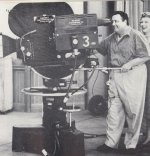
I read about a system from the 1960's where they would shoot film (obviously) but all the film cameras had video-outs that would go to monitors at a switcher booth (as done today), and they would do a 'live-switcher-edit' as the show shot. This saved on film and time. To do this the film cameras were remote triggered and would only roll film when they were selected.
So the director of the show would see all 5 cameras on multiple monitors, and he would do a live directing job... but only the camera being used at that moment would be rolling. So let's say the director was on camera 1... camera one would be rolling film. He'd look at his other shots via the video monitors and call for camera 3, when they switched to camera 3, camera 3 would start rolling it's film magazine, and camera one would stop. This allowed for very very long scenes without having to stop, as they would have lots of leftover film, had all five cameras just ran the entire time. They can, and often did, roll at least two camera angles at once, but would turn off any that were definately not going to be used.
I found this incredibly cool and smart... then I wondered if this was a modern day practice or not, since I have never worked on a staged sitcom that shot on film, like FRIENDS. They used film cameras from Panavision.
The only issue I can tell from this practice is the moment it requires for film to get to 'speed'. I'm wondering what was done to mitigate those losses.
In the article, the DP said that doing this method made the weekly consumption of film to go from 22,000 feet to 16,000 feet, which is quite a bit!