Jon Furtado
Well-known member
While I was on the NAB show floor yesterday, I stumbled across the Filmgear booth. http://filmgear.net/
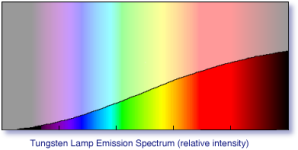
Their PowerLED lights were pretty insane. He was able to hit the convention center ceiling with his pannel! The Birns and Sawyer rep was on hand chatting about LED with me for a while and he said that 5600K (daylight) will now be the absolute standard. That film was 3200K but now with digital taking over everything, it favors daylight over tungsten. I had never heard this and was curious what everyone else thinks. He mentioned that the only reason we still see tons of Tungsten lights on sets are because studios have millions invested in them and that they are readily available.
It was a very interesting discussion about a fundamental shift in the industry. What do you guys think? Do you mostly use daylight in your lighting kit? Will this fundamental shift start taking over more and more since digital becomes the defacto standard over film?