
Navigation
Install the app
How to install the app on iOS
Follow along with the video below to see how to install our site as a web app on your home screen.
Note: This feature may not be available in some browsers.
More options
You are using an out of date browser. It may not display this or other websites correctly.
You should upgrade or use an alternative browser.
You should upgrade or use an alternative browser.
Which 'classics' to get a understanding of cinematography?
- Thread starter Fellipe
- Start date

Ryan Patrick O'Hara
Veteran
What do you classify as a 'classic'? For me it's films generally before 1960... but today's kids might consider it films before the 1980's. lol
And I'm not sure what you are asking. There are many very very well shot films... and many give you a feel of story emotion, not really an understanding of cinematography. Cinematography does not reveal itself, but rather the world of the story.
And I'm not sure what you are asking. There are many very very well shot films... and many give you a feel of story emotion, not really an understanding of cinematography. Cinematography does not reveal itself, but rather the world of the story.

Toland, Miyagawa, Zsigmond, Hall, Pope, Wong Howe, Storaro, Cortez, Deschanel, Edeson, Davieu, Wexler, Nykvist, Cundey, Kaminski, Deakins. I recommend familarizing yourself with all of these cinematographers and enjoy the amazing films they contributed to. You'll find that it is difficult to concentrate on their technical work, because they accomplish it so quietly and perfectly. Watching my favorite films by these artists, I often find myself smiling as I realize how their masterful choices affect me as a viewer.
Others might chime-in to recommend one of the "perfect films" - which are rare, perfect movies where everything came together across all departments. Start here, and work your way through the Top Ten in each category.
Also take up reading books like The Five Cs of Cinematography, which is tedious to get through, but provides a fantastic foundation for techniques and why they should (or shouldn't be used).
Have a look at the documentary 'Visions of Light' (do a google video search  ). Lots of examples of great works from the masters Erik has mentioned. Very good doc. There's another cinematography documentary called 'Cinematographer Style' which i haven't seen but heard is worth watching.
Also look up 'The Life and Work of Jack Cardiff-Cameraman'. Very good film about the work and life of Jack Cardiff who lensed alot of Powell and Pressburger's films such as 'The Red Shoes', Matter of Life and Death' etc.
Some other good cinematographers:-
Freddie Francis (The Elephant Man, Cape Fear)
Douglas Slocombe (Indiana Jones, loads of Ealing Comedies)
Geoffrey Unsworth whose most notable film is Kubrick's 2001
John Alcott (Clockwork Orange, Barry Lyndon, The Shining)
Kazuo Miyagawa (Roshomon)
Vittorio Storaro (Apocalypse Now, The Conformist-great lighting in that, The Last Emperor)
Chris Doyle (Wong Kar Wai's DOP, Hero, Infernal Affairs)
Gordie Willis aka Prince of Darkness (Godfather films plus many more)
Anthony Dod Mantle (Slumdog Millionaire, Dogville, 28 days later - notable for embracing digital cameras)
Lance Acord (Lost in Translation, Where the Wild Things are)
Jordan Cronenworth ( Blade Runner)
Jeff Cronenworth (Social Network, Fight Club)
Robert Elswit (There Will Be Blood, Boogie Nights)
Guillermo Navarro (Desperado, Jackie Brown, Pan's Labyrinth)
Wally Pfister (Chris Nolan's film)
IMDB them all-loads of great films i didn't mention As Erik recommended get some books to understand the language of cinematography. Five C's is good. As is Cinematic Storytelling, The Filmmaker's Eye and The Conversations:Walter Murch and the art of editing.
). Lots of examples of great works from the masters Erik has mentioned. Very good doc. There's another cinematography documentary called 'Cinematographer Style' which i haven't seen but heard is worth watching.Also look up 'The Life and Work of Jack Cardiff-Cameraman'. Very good film about the work and life of Jack Cardiff who lensed alot of Powell and Pressburger's films such as 'The Red Shoes', Matter of Life and Death' etc.
Some other good cinematographers:-
Freddie Francis (The Elephant Man, Cape Fear)
Douglas Slocombe (Indiana Jones, loads of Ealing Comedies)
Geoffrey Unsworth whose most notable film is Kubrick's 2001
John Alcott (Clockwork Orange, Barry Lyndon, The Shining)
Kazuo Miyagawa (Roshomon)
Vittorio Storaro (Apocalypse Now, The Conformist-great lighting in that, The Last Emperor)
Chris Doyle (Wong Kar Wai's DOP, Hero, Infernal Affairs)
Gordie Willis aka Prince of Darkness (Godfather films plus many more)
Anthony Dod Mantle (Slumdog Millionaire, Dogville, 28 days later - notable for embracing digital cameras)
Lance Acord (Lost in Translation, Where the Wild Things are)
Jordan Cronenworth ( Blade Runner)
Jeff Cronenworth (Social Network, Fight Club)
Robert Elswit (There Will Be Blood, Boogie Nights)
Guillermo Navarro (Desperado, Jackie Brown, Pan's Labyrinth)
Wally Pfister (Chris Nolan's film)
IMDB them all-loads of great films i didn't mention As Erik recommended get some books to understand the language of cinematography. Five C's is good. As is Cinematic Storytelling, The Filmmaker's Eye and The Conversations:Walter Murch and the art of editing.
Ryan Patrick O'Hara
Veteran
Some other good cinematographers:-
Freddie Francis (The Elephant Man, Cape Fear)
Douglas Slocombe (Indiana Jones, loads of Ealing Comedies)
Geoffrey Unsworth whose most notable film is Kubrick's 2001
John Alcott (Clockwork Orange, Barry Lyndon, The Shining)
Kazuo Miyagawa (Roshomon)
Vittorio Storaro (Apocalypse Now, The Conformist-great lighting in that, The Last Emperor)
Chris Doyle (Wong Kar Wai's DOP, Hero, Infernal Affairs)
Gordie Willis aka Prince of Darkness (Godfather films plus many more)
Anthony Dod Mantle (Slumdog Millionaire, Dogville, 28 days later - notable for embracing digital cameras)
Lance Acord (Lost in Translation, Where the Wild Things are)
Jordan Cronenworth ( Blade Runner)
Jeff Cronenworth (Social Network, Fight Club)
Robert Elswit (There Will Be Blood, Boogie Nights)
Guillermo Navarro (Desperado, Jackie Brown, Pan's Labyrinth)
Wally Pfister (Chris Nolan's film)
If you want just good films with good DPs:
Emmanuel Lubezski (Meet Joe Black, The Little Princess, Children of Men, Sleepy Hollow, Tree of Life)
Seamus McGarvey (Atonement)
Roger Deakins (Shawshank Redemption, The Assassination of Jesse James, Cohen Brother's Films (not Burn after Reading))
Darius Khondji (Se7en, Panic Room, The Beach)
Robert Richardson (Natural Born Killers, Casino, Inglorious Basterds, Platoon, Aviator, etc)
Nestor Almendros (Days of Heaven, The Last Metro, Kramer Vs Kramer, Sophie's Choice)
John Toll, (Thin Red Line, Almost Famous, Vanilla Sky, Tropic Thunder, Legends of the Fall, Braveheart, The Last Samurai)
and let's not forget one of the best that has ever lived:
Conrad Hall (Road To Perdition, American Beauty, Fat City, The Day of the Locust, Without Limits, Cool Hand Luke, In Cold Blood, Tequila Sunrise)
Last edited:

Watch citizen kane, and touch of evil.

Gabel
Well-known member
Watch citizen kane, and touch of evil.
Definitely! While Kane understandably gets all the praise, I think Touch of Evil is one of the most beautiful films ever shot. I had the chance to see it on the big screen at the Swedish cinematheque and while a great movie I was completely taken by the cinematography.
silvesterdivas
New member
My 2 Cents
My 2 Cents
I consider myself as a admirer of great cinematography. I watch a variety of films from all over the world. To understand great cinematography I usually watch the movie with no sound when I watch the second time. Watching a movie with zero volume makes you appreciate cinematography better. I believe visual communication is what cinematography is all about. some of iranian movies like children of heaven, and the great cinema paradiso are some of my favorites. Some movies made in India has great cinematography and vibrant colors. One of the Indian movie which I love the most is "Black". Check it out on Netflix.

Patryk_Rebisz
Veteran
Is this a question coming from a filmmakers perspective or DP's perspective?
There is a million and a half of pretty films but way smaller number of good films. As a matter of fact we should make a list of films that could use better cinematography.
There is a million and a half of pretty films but way smaller number of good films. As a matter of fact we should make a list of films that could use better cinematography.
Most important rule IMO is to not show flat faces and create the mood, its better to show things only partially lit with shadows on them and underexpose to get more shadows in frame, this depends of course whats the genre but basically things look so much better when theres no flat lighting.
Look how things are lit and how camera stands from "the shadow side" so shadow is visible on camera, its also part of rembrandt lighting but its a long story.

http://img16.imageshack.us/img16/9682/largearmageddonbluray11.jpg
http://img402.imageshack.us/img402/1839/music2s.jpg
http://img26.imageshack.us/img26/2263/bbclipboard10.jpg
So.. its shadows shadows shadows, youre building mood with shadows, all stylized movies have them.
Im wondering how do you guys judge location and how do you know when youll get certain amount of shadow, enough so you could create a mood, cause human eye dynamic range doesnt let us judge how camera would render the picture , cameras have less dynamic range and its creating shadows much faster and i was wondering do you guys have any way to check this without turning on the camera and looking at LCD? Is there some sort of glass/device or something which would degrade dynamic range of human eye to make it similar to cameras dynamic range* ?
Look how things are lit and how camera stands from "the shadow side" so shadow is visible on camera, its also part of rembrandt lighting but its a long story.
http://img16.imageshack.us/img16/9682/largearmageddonbluray11.jpg
http://img402.imageshack.us/img402/1839/music2s.jpg
http://img26.imageshack.us/img26/2263/bbclipboard10.jpg
So.. its shadows shadows shadows, youre building mood with shadows, all stylized movies have them.
Im wondering how do you guys judge location and how do you know when youll get certain amount of shadow, enough so you could create a mood, cause human eye dynamic range doesnt let us judge how camera would render the picture , cameras have less dynamic range and its creating shadows much faster and i was wondering do you guys have any way to check this without turning on the camera and looking at LCD? Is there some sort of glass/device or something which would degrade dynamic range of human eye to make it similar to cameras dynamic range* ?
j1clark@ucsd.edu
Veteran
Most important rule IMO is to not show flat faces and create the mood, its better to show things only partially lit with shadows on them and underexpose to get more shadows in frame, this depends of course whats the genre but basically things look so much better when theres no flat lighting.
...
So.. its shadows shadows shadows, youre building mood with shadows, all stylized movies have them.
Im wondering how do you guys judge location and how do you know when youll get certain amount of shadow, enough so you could create a mood, cause human eye dynamic range doesnt let us judge how camera would render the picture , cameras have less dynamic range and its creating shadows much faster and i was wondering do you guys have any way to check this without turning on the camera and looking at LCD? Is there some sort of glass/device or something which would degrade dynamic range of human eye to make it similar to cameras dynamic range* ?
How to 'see'... squint... I'd recommend a Wratten 90 filter, which puts a monochrome 'dark amber' on everything, but allows one to see 'value' over 'color'...
On Lighting...
I really think it depends on The Story... If one looks at 'art', and just 'western art'... one finds many different styles of lighting. The medium also tends to support certain styles... Frescos tend to be 'light', since the pigmentation process tends to not hold well with 'large areas of dark'. Oil painting, on the other hand, can apply 'absolute black' in addition to a dark ground... to the point of having virtually no reflectance...
But when one looks at paintings, there is almost always texture in the deepest areas, unless there is specific reasons. Portraits often will have 'no background' from say, the 16th century on. For northern artists of the Dutch School, like Rembrandt, everywhere there is detail, albeit dark, and the faces and persons, are often punctuated with light. Sometimes this sort of 'subtle' look is lost in the reproductions, because it seems that people prefer 'saturation' and 'contrast' over accuracy.
A look at Vermeer, somewhat contemporary to Rembrandt, will show differences. Vermeer tends to be much 'lighter', while still having light/shadow contrast.
In the 19th Century there were a number of artists who 'rebelled' against the chiaroscuro style of the 16-17th centuries, and called themselves 'the Pre-Raphelites", where that 'dark shadow' style was eschewed, for less contrast, especially in the face of the figures...
Some examples.
Rembrant (dark, and reproduction may not show the detail in the shadows as would be there were one standing in front of the original...):

Vermeer: (not a 'couple' portait... but depicting two people in a setting... Most 'dark' areas have detail.)

van Eyck: (note the man is shadowed, the woman is not. Background 'dark', but detailed.)

Pre-Raphelite (Waterhouse, "Decameron" 1916, group shot, background 'darkened' but not as much as the chiaroscuro of those above...).


David G. Smith
Steak Knife Member
Every movie made after 1925 owes a debt to The Battleship Potemkin.
Well, yes, but Eduard Tisse, the cinematographer of "Battleship Potemkin" (and Vladimir Popov, listed as cinematographer-uncredited by IMDB), learned every thing they knew about cinematography by watching "The Birth of A Nation" and "Intolerance: Love's Struggle Throughout the Ages". G.W. (Billy) Bitzer, the father of cinematography, blazed the path that every cinematographer who has come after followed. I would say that a lot of what is credited to great cinematography in "Battleship Potemkin" is really due to Eisenstein's break throughs in "Montage". I have always thought that, of the early Soviet filmmakers, the cinematography in Pudovkin's "Mother", by Anatoli Golovnya, was head and shoulders above "The Battleship Potemkin". What "Potemkin" has in bombast and grandeur, "Mother" more than equals with subtlety. Pudovkin and Golovnya were able to, IMHO, tell their story, or the real impact of the events of their story (which is the real story), by the magnificent use of faces, which is, to me, the very essence of great cinematography. Now, it has been a couple of years since I have re-watched "Mother", and I have never really done a back to back comparison with "Potemkin", so I am open to rebuttal, for sure. "Potemkin" blows me away every time I watch it, but so does "Mother". Also, on the topic of the early Soviet films, anyone serious about filmmaking HAS to see, "Living Russia, or The Man with a Camera", by Dziga Vertov. It is great, PERIOD!
http://www.imdb.com/title/tt0019760/
Just off the top of my head, at 2:00 in the AM, I would suggest quit a few films. The following list is nowhere near inclusive, but it is a start.
From the silent era:
http://www.imdb.com/title/tt0010323/
http://www.imdb.com/title/tt0013442/
http://www.imdb.com/title/tt0018737/
http://www.imdb.com/title/tt0018455/
http://www.imdb.com/title/tt0017136/
http://www.imdb.com/title/tt0019415/
After that, I would search and see films that won the Oscar for Best Achievement in Cinematography, and the films that were nominated for the award each year.
http://en.wikipedia.org/wiki/Best_Cinematography
Of the modern cinematographers, in addition to the ones mentioned above, I would suggest trying to see any film photographed by one of my favorite cinematographers, Gordon Willis ASC. His work is amazing.
http://www.imdb.com/name/nm0932336/
For some other suggestions, from modern cinematographers:
http://www.imdb.com/title/tt0443680/
http://www.imdb.com/title/tt0087803/
http://www.imdb.com/title/tt0120834/
http://www.imdb.com/title/tt0206634/
http://www.imdb.com/title/tt0206634/
Well, just my two cents.
Last edited:

D10S
Well-known member

marlontorres
Well-known member
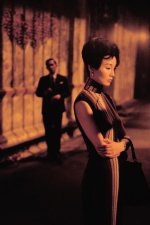
"In The Mood for Love" by Wong Kar Wai, DP by Christopher Doyle.

Martti Ekstrand
Veteran
Black and white: Seven Samurai by Akira Kurosawa.
Colour: The Duellists by Ridley Scott.
Colour: The Duellists by Ridley Scott.
pennyroyal
New member
Here's an interesting little "Three-Point Lighting Simulator" I found that can help differentiate the functions of the key, fill, and back lights in a three-point set-up; http://www.mediacollege.com/lighting/three-point/simulator.html

