vincent laforet's directing motion

I took his Seattle course when it was on tour. It was quite good- I learned a good bit and had what I'd already known pretty well re-enforced. The class was pretty fast paced- which is fine. Well produced, lots of visual examples and well constructed graphics and diagrams. The time he put into preparing the course was very evident.
 
Based on the trailer and the small class insert it seems to a great resource for learning camera blocking and motion. Back in the day when I took steadicam classes this is what the class covered in depth for a week (aside from learning how to set up and move with the rig). I fear the next generation of cinematographers will miss out on such hands on training as tools like the brushless gimbals become more prominent where you can go from opening the box to operating very quickly.

This training seems to provide a great resource to newer ops in better understanding motion and in my opinion being able to design meaningful+motivated motion.

Aside from this training I would recommend watching everything on steadishots.org. Starting with the master himself; Mr. McConkey:

http://steadishots.org/shots_operator.cfm?opID=2
Start with Raising Cain "everything shot" and then watch the shot commentary. (ignore the terrible ending shot choice by the director)

I also love Mark Emery Moore's shot on opening sequence of Serenity.
http://steadishots.org/shots_detail.cfm?shotID=194

It has amazing blocking, motivated moves and tons and tons of tricks to hide changes, transitions, stairs, swapping actors, setting mood.......

I could go and on but, buy the series, watch the masters...have fun.
 
Great suggestions Emre. I was working out a shot in prep with a director a few weeks ago and I used Raising Cain as a reference. We had to pull back from two actors having a conversation to reveal a third actor hiding on the other side of the doorframe listening in, and I felt we needed to get the first actors into a bit of motion to justify the pullback, while the director felt it wasn't necessary. I showed him the Raising Cain clip and explained all of the things Larry did, which blew his mind (as it should anyone's) and then after we did the shot days later he said "you were absolutely right--it wouldn't have worked properly if we'd done it my way".

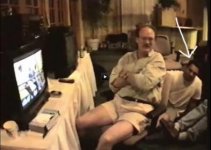
Going back further: I was co-teaching at that Steadicam workshop in '95 where the commentary footage for Raising Cain was shot (you can spot me in white shirt sloppily tucked into khaki shorts in the background once or twice--I also edited the commentary clip for the Steadishots site). Hearing Larry's stories at the time was massively influential on my subsequent approach to operating and shot design. To bring things full circle, I met with Vincent when he was putting together his Directing Motion presentation and amongst many other things, we talked at length about Larry's shots.
 
Based on the trailer and the small class insert it seems to a great resource for learning camera blocking and motion. Back in the day when I took steadicam classes this is what the class covered in depth for a week (aside from learning how to set up and move with the rig). I fear the next generation of cinematographers will miss out on such hands on training as tools like the brushless gimbals become more prominent where you can go from opening the box to operating very quickly.

This training seems to provide a great resource to newer ops in better understanding motion and in my opinion being able to design meaningful+motivated motion.

Aside from this training I would recommend watching everything on steadishots.org. Starting with the master himself; Mr. McConkey:

http://steadishots.org/shots_operator.cfm?opID=2
Start with Raising Cain "everything shot" and then watch the shot commentary. (ignore the terrible ending shot choice by the director)

I also love Mark Emery Moore's shot on opening sequence of Serenity.
http://steadishots.org/shots_detail.cfm?shotID=194

It has amazing blocking, motivated moves and tons and tons of tricks to hide changes, transitions, stairs, swapping actors, setting mood.......

I could go and on but, buy the series, watch the masters...have fun.

KILLER stuff!

Danke!
 
Using Spielberg or Scorsese as an example is kind of like using last month's cream cheese to make a cheesecake today... Probably can be done but noone can guarantee its freshness.
They are masters at what they do but they are a bunch of has-beans - i mean it with full respect - they are yesterday's news. If you really want to learn you have to jump a generation and instead of looking to the past generation, look to what was before that generation (and Citizen Kane doesn't count as it never really lost it's momentum - both directors were in some form emulating that film).
 
Back
Top