

Ryan Patrick O'Hara
Veteran
Reading one of my earliest American Cinematographer magazines... this time from July 1929:
I'm reading about aerial photography. If you've seen 'The Aviator' you'll like this issue!
One of the main stories of the issue covers Harry Perry, the chief cinematographer of "Wings" and "Hell's Angels". This is a quote from the magazine;
It gives me a really cool and strange feeling to be reading this from an original issue from 1929. Harry Perry also has an ad for his services... if you are interested in his services on your next film please telephone OXford 1908. I'm not sure what that means... maybe that is the phone number? 1908? Those were simpler days, huh? The address was 240 South Swall Drive in Beverly Hills.
Another story from the article:
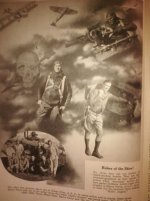
I'm reading about aerial photography. If you've seen 'The Aviator' you'll like this issue!
One of the main stories of the issue covers Harry Perry, the chief cinematographer of "Wings" and "Hell's Angels". This is a quote from the magazine;
More than two years' work have been put in on this production which the youthful producer, Howard Hughes, hopes will be the greatest air picture ever made. Reputed cost is more than $3,000,000. Sound, dialogues and color effects have been incorporated in the picture. Harry Perry, ASC has had complete charge of the photography of this picture. Under his cinematographic direction scores of cameramen have worked for months, much of the time in the air, and Mr. Perry is highly enthusiastic over the air photography.
It gives me a really cool and strange feeling to be reading this from an original issue from 1929. Harry Perry also has an ad for his services... if you are interested in his services on your next film please telephone OXford 1908. I'm not sure what that means... maybe that is the phone number? 1908? Those were simpler days, huh? The address was 240 South Swall Drive in Beverly Hills.
Another story from the article:
Crazy life of an aerial cameraman. Right? When you are told to keep the camera's rolling as crew members are dying. Ugh."No matter what happens keep on the tail of that plane all the time. If it crashes I want the crash. Stay with it all the way!" The speaker was a motion picture producer talking to his cameraman who was about to take the air. He meant business. The cameraman didn't even smile. Just nodded his head and climbed aboard the camera plane.
A half hour later the plane he had been told to follow had crashed to the ground. Only a burning mass of wreckage was left from which was fished the dead remains of a man who had been keeping smoke pouring from the plane. The pilot had jumped. But the smoke-maker had stayed to the end-- either because he did not hear the warning of the pilot, or for some reason that will never be known.
And-- as the plane dropped like a plummet from the sky it was followed by a cameraman, a member of the A.S.C., who "got" every foot of it from the start to the unforeseen and tragic end. That cameraman was E. Burton Steene, who died less than a week later.


