

puredrifting
Major Contributor
Hi all:
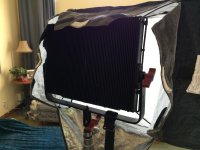
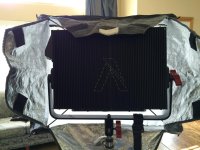
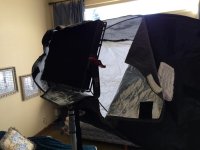
Thought I would share some thoughts and images on how I mounted one of our Chimera Small Quartz Pro Softboxes to the Aputure LS 1S. We recently acquired two of the Aptuture LS 1S LED panels and so far, I have been impressed with their performance and value, they are a lot of bang for the buck. The one nagging factor in using them for interviews though was a softbox. We purchased two of the ILED-K Softbox Diffuser Kit for the LS 1S and tried them out. While the value is great for these softboxes, retailing for a mere $59.00 ea. including an egg crate, the size (23.3" x 23.3") and depth (only around 12") of these softboxes, how they assemble and attach to the LS 1S, riding on the barndoors along with the overall construction quality left me less than impressed. The ILED boxes are a great value and for the occasional user, they will get the job done. But if you use your LS 1S day in and day out in a professional capacity, and need more options for softer light, you might want something a bit more professional grade. with more depth and size
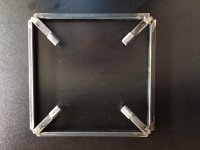
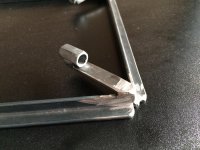
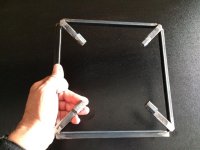
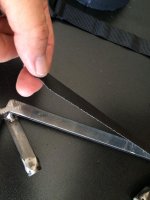
We own five of the Chimera Small (24" x 32") Quartz Pro softboxes as well as two of the Medium (36" x 48") versions along with egg crates for each. A Chimera Small Quartz Pro softbox retails for about $380.00 to $400.00 and are built like a tank. I have personally dragged mine all over the world, setting up in blistering heat, snow and everything in between. In short, Chimera softboxes are top of the line pro gear. The challenge is, Chimera softboxes use flexible steel rods, one in each corner of the softbox. These flexible rods are them mounted to a speedring, that is mounted to the lighting instrument, usually via the barn door tabs on the light. The Aputure LS 1S has barndoors but they are not easily detachable so the light really doesn't have any facility for mounting a speedring. I decided to see what I could figure out for mounting our homemade steel speed ring to one of our new LS 1S.
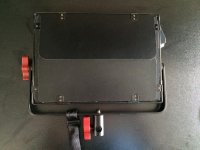
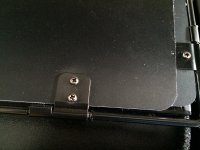
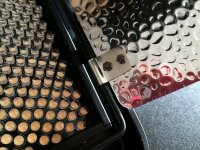
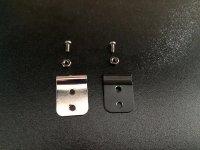
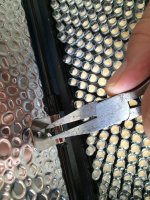
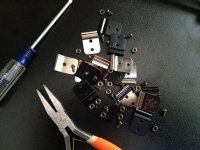
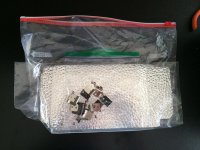
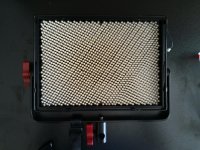
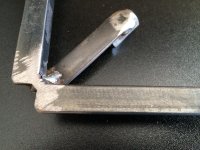
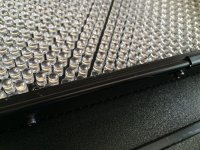
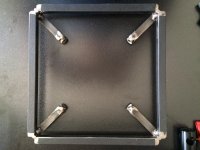
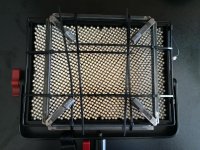
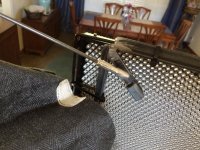
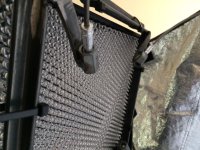
Basically, I removed the barndoors, which you have to be careful doing because the small Philips head screws are easy to strip the head on, being made of relatively soft metal. Use a pair of square nosed pliers to hold the nut in place, or for the more stubborn ones, rotate the nut, using the correct size screwdriver to hold the screw in place. Make sure you keep the fittings, screws and nuts in a safe place in case you ever want to sell the light or just use it bare again with barn doors. You may notice that the speed ring below looks rough. It is a prototype that a friend and I assembled quite a few years ago to mount the Chimera to our first 12x12 LED panels. We had to create several iterations of the speed ring to come up with a design that actually held the Chimera rods at the correct angle and tension to keep the softbox assembled. The key would be, if you are not talented at design and welding, purchase a larger size speedring for your Chimera that will be able to be attached to the barndoor supports on the LS 1S. The supports that hold the frame which holds the barn doors to the LS 1S are tack welded onto tabs on the light so you may have to get creative to find a speedring of the right size.
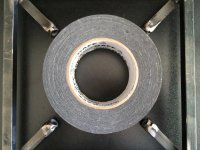
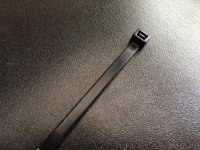
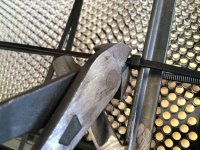
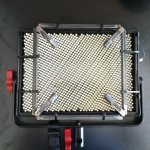
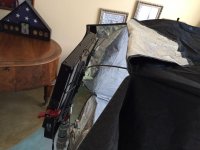
I didn't want the bare angle steel of our speed ring to rub all of the paint off of the barn door holder so you can see below that I used good old Gaffer tape to provide a small barrier to keep the speed ring from rubbing on the frame on the LS 1S. I used eight plastic zip ties to affix our speed ring to the LS 1S and it is rock solid, I am confident that the eight zip ties will provide a pretty long life to support the speedring. And if they ever break, they are cheap and sturdy, easy to replace in the field. So what I have gained is a much higher quality softbox for my LS 1S that will last much longer than the ILED softbox. The Chimera offers more internal diffusion screen options than the ILED box. The rods that mount the Chimera to the speed ring give me an additional 8-10" of distance between the LED bulbs and the exterior diffision screen on the softbox. I am also gaining an additional 8" of width of the final light source and as we all know, the larger the realtive size of a light source to it's subject, the softer the quality of light is.
I have only used this setup for one shoot so far, but it performed flawlessly. If you can afford it, a Chimera softbox is a more professional quality tool than the inexpensive Chinese softboxes, although to be fair, the ILED is impressive for the money. My solution solves the nagging problems that many have expressed when using the LS 1S with the ILED softboxes. "I wish it was a little bigger and I with that it had more depth from the LED bulbs to the front of the softbox." This solution addresses both issues and succeeds. My next project will be to see if the yoke on the LS 1S can support the much increased weight and leverage on a Medium Chimera Quartz Pro softbox and if the LS 1S has enough output to be effective with the Medium Chimera. I have used the medium for beauty shots and interviews with a tungsten Arri 1K and it was great so it will be interesting to see if the LS 1S can make the grade. When you have room to use the Medium, the quality of the light is always better than the small.
Attachments
-
 IMG_4451.jpg108.5 KB · Views: 0
-
 IMG_4452.jpg114.7 KB · Views: 0
-
 IMG_4454.jpg97.7 KB · Views: 0
-
 IMG_4455.jpg94 KB · Views: 0
-
 IMG_4456.jpg90.8 KB · Views: 0
-
 IMG_4457.jpg133.5 KB · Views: 0
-
 IMG_4458.jpg120.2 KB · Views: 0
-
 IMG_4459.jpg93.2 KB · Views: 0
-
 IMG_4460.jpg155.3 KB · Views: 0
-
 IMG_4461.jpg93.4 KB · Views: 0
-
 IMG_4463.jpg151 KB · Views: 0
-
 IMG_4464.jpg118.7 KB · Views: 0
-
 IMG_4465.jpg133.4 KB · Views: 0
-
 IMG_4466.jpg136.5 KB · Views: 0
-
 IMG_4467.jpg58.5 KB · Views: 0
-
 IMG_4468.jpg113.6 KB · Views: 0
-
 IMG_4469.jpg183.8 KB · Views: 0
-
 IMG_4470.jpg160.7 KB · Views: 0
-
 IMG_4471.jpg120.7 KB · Views: 0
-
 IMG_4474.jpg141.5 KB · Views: 0
-
 IMG_4475.jpg155.3 KB · Views: 0
-
 IMG_4476.jpg143.9 KB · Views: 0
-
 IMG_4478.jpg111.5 KB · Views: 0
-
 IMG_4480.jpg76.6 KB · Views: 0
-
 IMG_4481.jpg88.8 KB · Views: 0
-
 IMG_4483.jpg112.2 KB · Views: 0
-
 IMG_4485.jpg70.9 KB · Views: 0
Last edited: