best sound equipment for guerilla

cobraclutch2

Active member
What is the best microphone should I get to shot guerilla yet will give me quality sound. where can I get it. how much am I looking to spend. I'm tired of cocky sound men I want to do my own sound. 200 a day minimum is too much. I will do my own sound. Can anyone steer me in the right direction. Craigs list has let me down.
:banned:
KEEP SEARCHING ON CRAIG - HE SUCKERS NEVER DIE , THEY BEEN REPLACE :-)
sory pal , you need a budget no shot gun
 
If you're finding someone willing to do your sound for $200 then you're getting a deal, not paying too much.

BTW, when you come into a sound forum, mostly populated with "cocky sound men" it's best to not insult them when asking for advice.

Read the stickies.

Phil
 
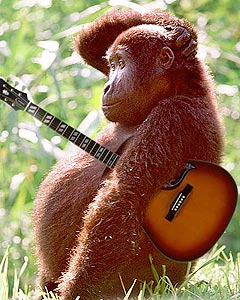
Sound equipment for Gorilla?

1203542301.jpg


gorilla.jpg
 
It really all depends on what you mean by "geurilla filmmaking."

If you're looking for a "one man band" solution, you're likely in for a lot of compromises. Your choice in mic will be largely dependant on how you plan on using the mic. Since its pretty difficult to one-hand a boom-pole, you're left with six mic'ing options:

1) place the mic on a stand just out of frame and try to minimize the subject's movement. Useful for talking-head interviews, but that's about it. If the subject moves around, they're likely to wander off-mic. Not much help on a run-and-gun shoot.

2) Hook everyone up with wireless lavs. This can be a viable option, provided you have enough wireless for the needed coverage, and enough mixer channels for all your recievers. Reliable, high-quality wireless are also very expensive. On top of all that, everyone needs to be wired up ahead of time, which rules out "man on the street" interviews or any incidental moments.

3) hold the mic out at arm's length below the frame line. A clasic tactic for in-your-face journalism, the mic needs to be very close to the subject (meaning the camera must also be very close).

4) Get the subject to hold the mic. Provides more flexibility in framing than does #3, but odds are you'll see the mic in-frame. This works best with omni mics, since you won't have to coach the subject on off-axis rejection. Mic handling noise can be a big issue, as well.

5) Plant mic's throughout the scene and hope you catch everything. Probably not an option, unless you're shooting a concert or sporting event.

6) Attach the mic to the camera. Probably the most popular, since its the closest to a "set and forget" arrangement. Its convenient, but its about the worst possible strategy for recording dialogue. You may be able to get useable atmospheric effects this way, but unless the camera is within two feet of the subject, the dialogue will be lousey. If you're at all concerned with what's being said, use some other method to gather primary dialogue.

Still, compromised sound is a small price to pay to be rid of all those cocky sound guys and their annoying commitment to their craft. And don't get me started on how they run around expecting to be reasonably compensated for their contribution to the filmmaking proccess.
 
Back
Top